
Is It Bad to Drive an Automatic in Manual Mode? ౼ A Comprehensive Guide
Exploring automatic transmissions in manual mode reveals potential benefits and risks, from enhanced control to possible damage․ Understanding these aspects is crucial for drivers․
Understanding Automatic Transmissions

Automatic transmissions represent a significant advancement in automotive technology, simplifying the driving experience by eliminating the need for manual gear changes․ At its core, a transmission—often nicknamed a gearbox due to its series of gears—takes power generated by the engine and efficiently delivers it to the wheels, propelling the vehicle forward․
Unlike manual transmissions where the driver directly controls gear selection, an automatic transmission handles this process autonomously․ This is achieved through a complex system of hydraulics, planetary gearsets, and a torque converter․ The torque converter acts as a fluid coupling, allowing the engine to continue running even when the wheels are stopped, and multiplying torque for improved acceleration․
Modern automatic transmissions utilize sophisticated electronic controls to optimize shift points based on factors like vehicle speed, engine load, and driver input․ These systems aim to provide smooth, efficient, and convenient operation, making driving accessible to a wider range of individuals․ However, the introduction of manual modes into automatic transmissions adds a layer of complexity, prompting the question of whether utilizing these features can be detrimental․
How Manual Mode Works in Automatics
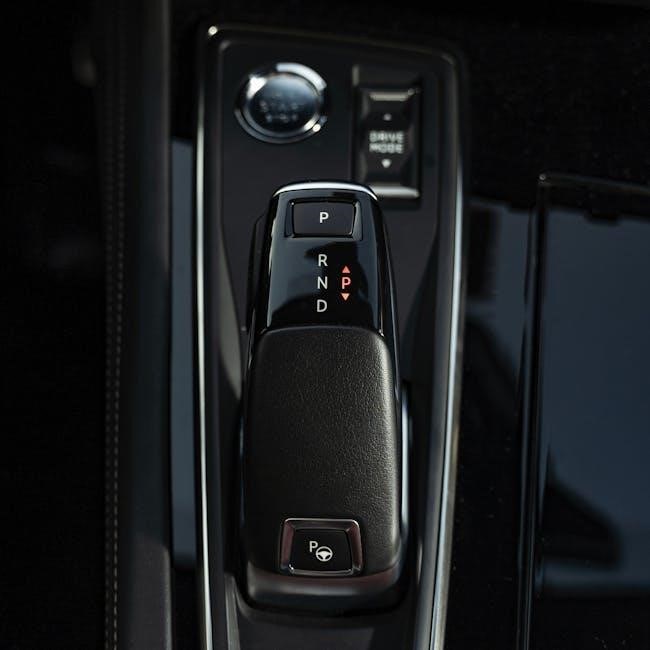
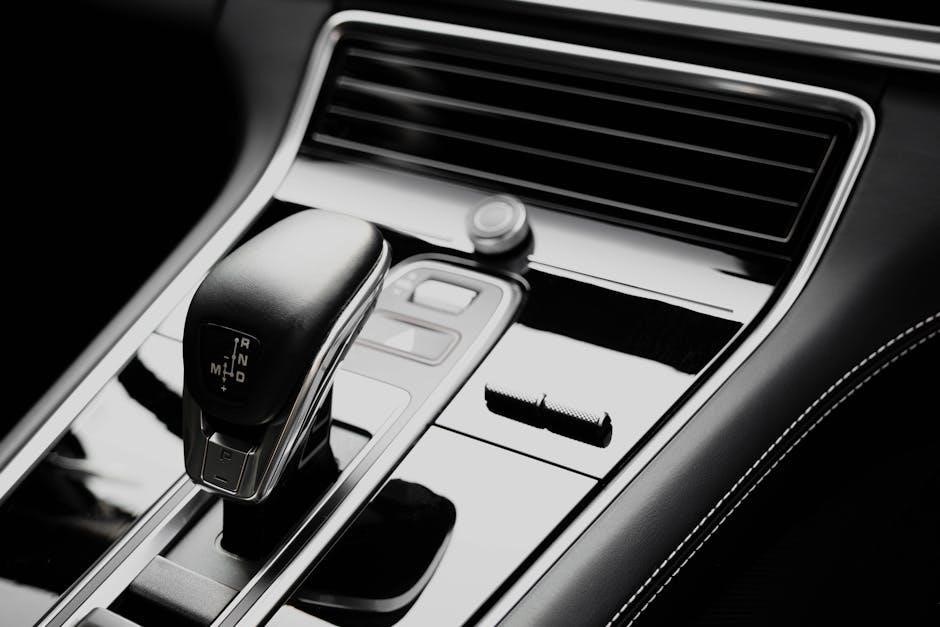
While seemingly contradictory, manual mode in an automatic transmission doesn’t replicate a true manual system․ Instead, it grants the driver some control over gear selection, but the transmission still manages the actual shifting process․ Typically activated via a shift lever or paddle shifters, this mode allows drivers to “request” a gear change up or down․
However, the transmission’s computer often overrides these requests to prevent damage․ It won’t allow shifts that would over-rev the engine or cause the transmission to operate outside its safe parameters․ This intervention is a key difference from a manual transmission, where the driver bears full responsibility for preventing such scenarios․
Essentially, manual mode provides a degree of driver engagement and control, but it’s still fundamentally governed by the automatic transmission’s safety protocols․ Instances of the transmission unexpectedly shifting into manual mode, as reported by some drivers, highlight the system’s inherent complexities and potential for unexpected behavior․
The Potential Benefits of Using Manual Mode
Despite potential drawbacks, utilizing manual mode can offer several advantages․ Drivers can experience increased control, particularly when navigating challenging terrains like hilly areas, allowing for precise gear selection to maintain speed and prevent unwanted shifting․ Engine braking becomes more accessible, enhancing control during descents and reducing reliance on the brake pedal․
For enthusiasts, manual mode provides a more engaging driving experience, mimicking the feel of a traditional manual transmission․ It can also be useful for situations demanding specific gear ratios, such as overtaking or merging onto highways․ However, it’s crucial to remember that the transmission’s computer still intervenes to protect itself․
Effectively, manual mode allows for a tailored driving experience, offering a balance between automated convenience and driver input, though its benefits are most pronounced when used judiciously and with an understanding of the transmission’s limitations․
Situations Where Manual Mode Can Be Useful
Manual mode shines in specific driving scenarios․ Driving in hilly terrain demands precise gear control to prevent rollbacks or excessive speed increases, something easily managed with manual shifting․ Similarly, engine braking becomes significantly more effective, allowing drivers to descend steep inclines without constantly applying the brakes, reducing wear and maintaining control․
When towing or hauling heavy loads, manual mode enables the driver to select lower gears for increased torque and prevent the transmission from “hunting” between gears․ Merging onto highways or overtaking slower vehicles also benefits from the ability to hold a specific gear for optimal acceleration․
However, remember that even in manual mode, the transmission has safeguards․ Utilizing it strategically in these situations can enhance both driving experience and vehicle performance, but it’s not a replacement for understanding your vehicle’s capabilities․
Driving in Hilly Terrain
Navigating hills with an automatic transmission in manual mode offers a significant advantage in control․ Ascending steep inclines benefits from holding a lower gear, maintaining engine RPMs within the power band and preventing unwanted gear changes that can disrupt momentum․ This avoids the transmission downshifting unexpectedly, potentially causing a loss of speed or even stalling․
Descending hills is where manual mode truly excels․ Selecting a lower gear allows for effective engine braking, reducing reliance on the brake pads and minimizing the risk of brake fade․ This controlled descent provides a smoother, safer experience, especially on prolonged downhill stretches․
By proactively managing gear selection, drivers can confidently tackle hilly terrain, optimizing both performance and safety, and preventing the automatic transmission from making potentially unsuitable shifts․
Engine Braking for Control
Engine braking, achievable through manual mode in an automatic transmission, is a valuable technique for controlled deceleration․ By downshifting, the engine’s resistance slows the vehicle, supplementing the brakes and reducing wear on brake pads․ This is particularly useful before corners or when approaching traffic signals, offering a smoother and more predictable slowdown․
However, it’s crucial to execute engine braking correctly․ Abrupt downshifts can cause jarring transitions and potentially destabilize the vehicle․ Smooth, controlled downshifts, matching engine speed to wheel speed, are essential for maintaining stability and preventing loss of control․
Utilizing manual mode allows drivers to actively manage engine braking, enhancing safety and providing a more engaging driving experience, while minimizing stress on the vehicle’s braking system․
The Risks and Drawbacks of Prolonged Manual Mode Use
While offering control, consistently operating an automatic transmission in manual mode presents potential drawbacks․ One significant risk is the increased strain on the transmission components, potentially leading to premature wear and eventual failure․ The transmission isn’t designed for constant driver intervention, and prolonged manual operation can disrupt its optimized shifting patterns․
Reports indicate instances of transmissions unexpectedly shifting into neutral while in manual mode, creating dangerous situations, especially during acceleration․ This unpredictable behavior, as seen in some 2011 Fortwo models, highlights a potential safety concern․
Furthermore, relying heavily on manual mode can mask underlying transmission issues, delaying necessary maintenance․ It’s vital to remember that automatic transmissions are engineered for automatic operation, and deviating from this can introduce unforeseen complications․
Transmission Damage Potential
Prolonged and improper use of manual mode in an automatic transmission can significantly increase the risk of internal damage․ The transmission’s control system is optimized for automatic shifting, and frequent manual overrides can disrupt this delicate balance, leading to increased stress on gears and clutches․
Incorrect or delayed shifts, common when drivers unfamiliar with optimal shift points utilize manual mode, generate excessive heat and friction․ This, in turn, accelerates wear on transmission fluid and internal components․
The “neutral drop” issue, where the transmission unexpectedly disengages, further exemplifies this potential for damage․ Repeated instances can compromise the transmission’s ability to reliably engage gears, potentially requiring costly repairs or even a complete replacement․ Engine modifications can exacerbate these issues, throwing off shift points and increasing strain․
Gear Hunting and Inefficient Shifting
A common consequence of using manual mode incorrectly is “gear hunting,” where the transmission rapidly shifts between gears, struggling to find the optimal ratio for the driving conditions․ This constant shifting isn’t just annoying; it’s a sign of inefficient operation and increased wear and tear․
Drivers attempting to mimic a manual transmission experience often select gears that don’t align with the engine’s power band, resulting in sluggish acceleration or unnecessary downshifts․ The automatic transmission’s computer is designed to optimize gear selection for both performance and fuel efficiency․
Bypassing this system through frequent manual intervention often leads to suboptimal gear choices, reducing fuel economy and potentially causing the transmission to work harder than necessary․ This inefficient shifting contributes to increased heat generation and accelerated component wear, ultimately shortening the transmission’s lifespan․
The “Neutral Drop” Issue and Restarting
A concerning issue reported by some drivers involves the automatic transmission unexpectedly shifting into neutral while in manual mode․ This “neutral drop” can occur during acceleration or even while attempting to engage a specific gear, creating a dangerous loss of power and control․ One reported instance involved a 2011 Fortwo experiencing this issue multiple times in automatic mode, unexpectedly entering manual mode․
The driver found that after the transmission shifted to neutral, attempting to select first gear was impossible․ A complete vehicle restart was required to restore normal functionality․ This unpredictable behavior raises serious safety concerns, particularly in traffic situations where immediate power is needed․
While the cause isn’t always clear, it highlights a potential vulnerability when overriding the transmission’s automatic programming․ Repeated occurrences warrant immediate professional diagnosis to prevent potential accidents and further damage․
Impact of Engine Modifications on Automatic Transmission
Engine modifications, intended to boost performance, can significantly disrupt the finely tuned operation of electronically controlled automatic transmissions․ Alterations that increase engine power or change its torque curve can throw off the transmission’s pre-programmed shift points․ This mismatch can lead to suboptimal performance, robbing the driver of the full potential gains from the engine upgrades․
Furthermore, incorrect shift points resulting from modifications can negatively impact driving quality, causing harsh or erratic gear changes․ The transmission may struggle to adapt to the altered power delivery, leading to inefficient shifting and potentially increased wear and tear on internal components․
Proper recalibration or specialized tuning of the transmission control unit (TCU) is often necessary to ensure compatibility and optimize performance after engine modifications․ Ignoring this crucial step can lead to long-term transmission issues․
Automatic vs․ Manual Transmission: A Fundamental Comparison
The core difference lies in gear selection: a manual transmission demands the driver to manually shift gears using a clutch pedal and gear lever, offering direct control over engine RPM and power delivery․ Conversely, an automatic transmission handles gear changes autonomously, simplifying the driving experience․ This fundamental distinction impacts driver engagement and perceived control․
Automatic transmissions prioritize convenience, particularly in stop-and-go traffic, while manuals often provide a more connected and engaging driving feel․ The “gearbox,” as it’s often called, is a metal case housing gears that transfer engine power to the wheels․
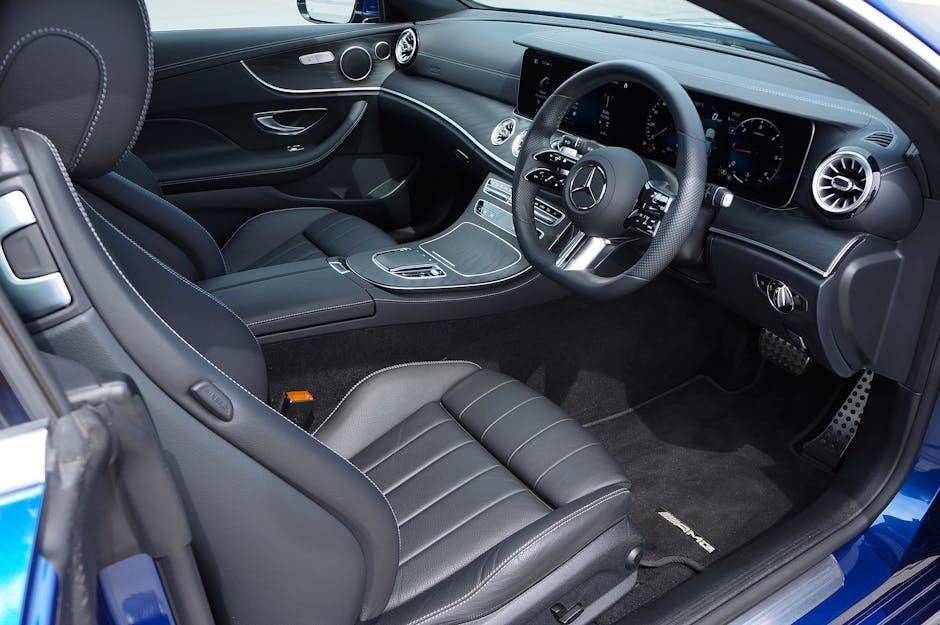
Choosing between the two is a key consideration for car buyers, influencing driving experience, fuel efficiency, and overall vehicle control․ Understanding these nuances is vital for making an informed decision aligned with individual driving preferences and needs․
The Learning Curve and Driver Familiarity
For drivers accustomed to automatic transmissions, transitioning to utilizing manual mode requires a learning period․ Mastering precise gear selection and anticipating appropriate shift points isn’t intuitive and demands practice․ This is especially true when attempting engine braking or navigating hilly terrain․
A lack of familiarity can lead to “gear hunting,” where the transmission constantly shifts between gears, resulting in inefficient operation and a jerky ride․ The ability to smoothly operate in manual mode hinges on understanding how the transmission responds to throttle input and vehicle speed․
Furthermore, fewer Americans currently know how to drive a manual transmission, making borrowing or resale potentially more challenging․ Developing proficiency in manual mode enhances control, but requires dedicated effort and a willingness to learn the nuances of the vehicle’s behavior․
Security Benefits of Manual Transmissions (Deterring Theft)
Interestingly, vehicles equipped with manual transmissions offer a surprising layer of security against theft․ As manual transmissions become less common, a decreasing percentage of the population possesses the skill to operate them effectively․ This creates a natural deterrent for potential thieves unfamiliar with the clutch and gear-shifting process․
Because driver’s education programs no longer universally include manual transmission instruction, a significant portion of the driving public lacks this knowledge․ Consequently, a would-be car thief might be unable to even start or drive a vehicle with a manual gearbox, making it a less attractive target․
While not foolproof, this inherent difficulty adds a layer of protection, potentially discouraging opportunistic theft․ It’s a subtle benefit, but one worth considering in areas with higher vehicle crime rates․
Fuel Efficiency Considerations: Automatic vs․ Manual

The longstanding debate regarding fuel efficiency between automatic and manual transmissions is nuanced․ Traditionally, manual transmissions held an advantage due to direct power transfer and reduced energy loss within the gearbox․ However, modern automatic transmissions have significantly narrowed this gap, employing sophisticated technology like more gears and lock-up torque converters․
The driver’s skill plays a crucial role; a skilled manual driver can optimize gear selection for maximum efficiency․ Conversely, inefficient shifting in manual mode on an automatic can negate any potential gains․
Ultimately, the difference in fuel economy is often marginal in contemporary vehicles․ Factors like driving style, engine modifications, and vehicle weight have a more substantial impact than the transmission type itself․ Careful driving habits are key to maximizing fuel efficiency regardless of the transmission․
Common Problems Reported with Automatic Transmissions Shifting to Manual
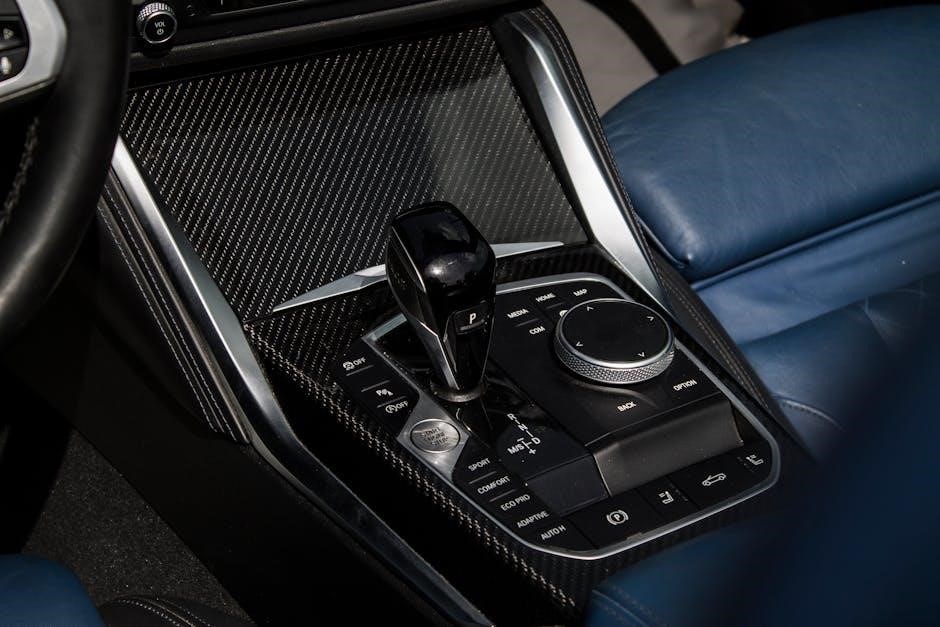
Several issues arise when using manual mode on automatic transmissions․ A recurring problem involves unexpected shifts into neutral, potentially creating dangerous situations, especially during acceleration․ One user reported a 2011 Fortwo inexplicably entering manual mode from automatic, a disconcerting experience․
Another concern is the transmission failing to engage first gear after a neutral drop, requiring a restart to resolve․ This highlights a potential software glitch or internal communication error․ Gear hunting, where the transmission constantly shifts between gears, is also reported, indicating inefficient operation․
These issues suggest that prolonged or improper use of manual mode can stress the transmission’s control systems and potentially lead to more significant mechanical failures․ Consistent monitoring and cautious operation are advised․
Preventative Measures and Best Practices
To mitigate risks when using manual mode, prioritize mindful driving․ Avoid prolonged engagement, reserving it for specific situations like hilly terrain or engine braking․ Regularly check for software updates from the vehicle manufacturer, as these can address potential transmission control issues․ Be attentive to any unusual shifting behavior, such as gear hunting or unexpected neutral drops․
If modifications have been made to the engine, ensure they are compatible with the transmission’s control system to prevent mismatched shift points․ Avoid abrupt or aggressive shifting, opting for smooth transitions between gears․
Should problems persist, promptly consult a qualified mechanic for diagnosis and repair․ Proactive maintenance and responsible usage are key to preserving the longevity and reliability of your automatic transmission․
When to Consult a Mechanic
Seek professional assistance immediately if you experience consistent issues with your automatic transmission while in manual mode․ This includes frequent or sudden shifts to neutral, difficulty engaging gears, or a complete inability to select a gear․ Any unusual noises, vibrations, or slipping sensations during shifting warrant a mechanic’s inspection․
If the transmission exhibits “gear hunting,” repeatedly shifting between gears unnecessarily, or if warning lights illuminate on the dashboard, do not delay seeking help․
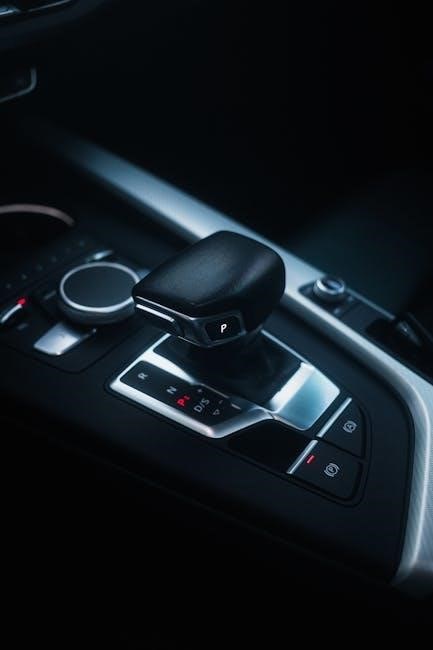
Following an incident like an unexpected neutral drop, even if the issue resolves after restarting, a diagnostic check is crucial․ A qualified mechanic can identify underlying problems and prevent further damage, ensuring the continued safe and reliable operation of your vehicle’s transmission․