
Bland Diet: A Comprehensive Guide (PDF Focus)
Bland diet resources in PDF format offer detailed food lists, meal plans, and guidelines for specific conditions, aiding digestion and recovery post-surgery or illness․
These guides often categorize foods as allowed or to avoid, simplifying adherence to the diet, and promoting gentle nutritional support․
What is a Bland Diet?
A bland diet is a short-term eating plan featuring easily digestible foods that are gentle on the stomach and intestines․ It’s often recommended following illness, surgery, or during periods of digestive distress․ The core principle revolves around minimizing irritation to the gastrointestinal tract․
This dietary approach intentionally excludes highly seasoned, fatty, spicy, or fibrous foods․ Instead, it emphasizes mild-flavored, soft textures, and easily absorbed nutrients․ Common foods included are cooked cereals, plain crackers, white rice, and well-cooked vegetables․
PDF resources detailing bland diets frequently categorize foods into “allowed” and “avoid” lists, providing clear guidance․ The goal isn’t long-term nutrition, but rather to allow the digestive system to rest and recover․ It’s a temporary measure, not a sustainable lifestyle choice, and should be followed under medical supervision․
Ultimately, a bland diet aims to reduce digestive workload, alleviating symptoms like nausea, vomiting, and diarrhea․
Why is a Bland Diet Prescribed?
A bland diet is frequently prescribed to soothe and heal the digestive system when it’s experiencing irritation or inflammation․ Common reasons include post-surgical recovery, managing gastrointestinal issues like gastritis or ulcers, and alleviating symptoms of conditions like irritable bowel syndrome (IBS)․
Following surgery, a bland diet minimizes stress on the healing digestive tract, allowing it to recover without being overwhelmed by complex foods․ For digestive issues, it reduces acid production and bowel activity, easing discomfort․
PDF guides on bland diets emphasize their role in reducing symptoms like nausea, vomiting, diarrhea, and abdominal pain․ The diet’s simplicity allows the gut to rest and repair․ It’s also used temporarily when preparing for certain medical procedures, like colonoscopies․
Essentially, a bland diet provides a period of digestive rest, promoting healing and symptom management, before gradually reintroducing a wider range of foods․
Foods Allowed on a Bland Diet
PDF resources detailing bland diets consistently highlight a core group of easily digestible foods․ These are gentle on the stomach and minimize digestive distress․ Generally, low-fat dairy like milk and yogurt (if tolerated) are permitted, alongside cooked, canned, or frozen vegetables – carrots, green beans, and spinach are common examples․
Simple carbohydrates form a significant portion, including white rice, pasta, potatoes (without skin), and plain crackers․ Lean proteins, such as poached or baked chicken or fish, are also allowed․ Fruit juices, particularly mild-flavored varieties, and soft fruits like bananas are often included․
PDF guides emphasize avoiding additions like spices, rich sauces, or high-fat content․ Oatmeal, cream of wheat, and other cooked cereals are also suitable choices․ The focus is on minimizing irritation and promoting easy digestion, as outlined in these dietary resources․
Dairy & Alternatives
PDF guides on bland diets specify that dairy consumption should be limited to low-fat or fat-free options․ Milk, yogurt, and cottage cheese are generally permissible, provided they are not flavored or sweetened․ However, tolerance varies, so monitoring individual reactions is crucial, as detailed in many PDF resources․
Alternatives to dairy, when included, are also low-fat․ Some guides suggest fortified plant-based milks, like almond or soy milk, but these should be unsweetened and unflavored․ It’s important to check ingredient lists to avoid additives that could cause irritation․
Cream, butter, and full-fat cheeses are typically excluded due to their high-fat content․ PDFs often emphasize that even small amounts of fat can exacerbate digestive issues․ The goal is to choose options that are easily digestible and minimize stomach upset, aligning with the core principles of a bland diet․
Grains & Starches
Bland diet PDF resources consistently recommend easily digestible grains and starches․ Plain cereals, like oatmeal or cream of wheat, prepared with water (not milk initially) are frequently listed as suitable choices․ White rice, pasta (soft, white varieties), and potatoes – boiled, mashed (without butter or cream), or baked – are also commonly included․
Crackers, specifically plain soda crackers, appear on most approved food lists within these PDF guides․ Bread should be white, soft, and without seeds or nuts․ It’s crucial to avoid whole grains initially, as their higher fiber content can be harder to digest․
PDFs emphasize avoiding fried potatoes (chips) or roasted potatoes with skin, as these add unnecessary fat and fiber․ The focus is on simple carbohydrates that provide energy without irritating the digestive system․ Careful attention to preparation methods is key, as highlighted in detailed diet guides․
Foods to Avoid on a Bland Diet
Bland diet PDF resources universally emphasize a strict avoidance of foods that can irritate the digestive system․ High-fat foods are prominently featured on “avoid” lists, including fried items, rich sauces, and fatty meats․ Spicy and highly seasoned foods are also strictly prohibited, as they can exacerbate inflammation and discomfort․
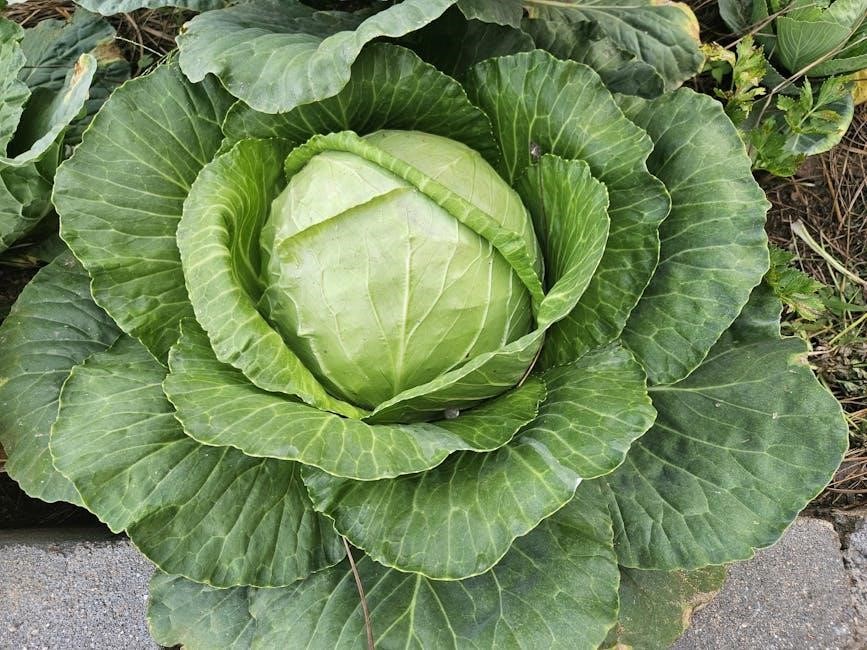
These PDF guides consistently warn against raw vegetables and dried peas/beans, due to their fiber content and potential for gas․ Citrus fruits and juices are typically excluded, alongside highly acidic foods․ Whole grains, nuts, and seeds are also discouraged during the initial phases of a bland diet․
Furthermore, PDFs highlight the importance of avoiding alcohol and caffeine, as these can stimulate the digestive tract․ Detailed food lists within these resources clearly delineate what to exclude, ensuring adherence to the diet’s gentle nature․
High-Fat Foods
Bland diet PDF guides consistently identify high-fat foods as primary culprits to avoid, emphasizing their potential to stimulate gastric acid production and delay digestion․ These resources specifically list margarine, butter, and cream as items to exclude, alongside rich salad dressings like mayonnaise and those heavily seasoned․
Fried foods are universally prohibited in bland diet materials, due to their high fat content and difficulty in digestion․ Fatty cuts of meat, including pork and beef, are also discouraged․ PDFs often provide detailed explanations of why fat exacerbates digestive distress, linking it to increased intestinal motility․
The guides stress that even seemingly benign foods, if prepared with excessive fat, should be avoided․ This includes avoiding gravies and creamy sauces․ Adhering to this restriction, as outlined in the PDFs, is crucial for minimizing digestive upset․
Spicy & Highly Seasoned Foods
Bland diet PDF resources unequivocally advise against spicy and highly seasoned foods, citing their irritant effect on the digestive system․ These guides detail that strong flavors can increase stomach acid and exacerbate inflammation, hindering the healing process․ Chili peppers, hot sauces, and curries are explicitly listed as items to avoid․
Beyond outright spice, PDFs emphasize avoiding heavily seasoned foods, including those with generous amounts of pepper, garlic, or onion․ Even seemingly mild seasonings, when used liberally, can trigger discomfort․ The documents explain that the goal is to minimize any stimulation of the digestive tract․
These bland diet guides often suggest using only very mild herbs for flavoring, if any at all․ The focus remains on gentle, easily digestible options․ Strict adherence to this guideline, as detailed in the PDFs, is vital for symptom management․
Sample Bland Diet Meal Plan
Bland diet PDF resources frequently include sample meal plans to guide individuals through the dietary restrictions․ These plans typically showcase simple, easily digestible options across breakfast, lunch, and dinner․ A common breakfast suggestion is oatmeal with diced pears, while lunch might feature scrambled eggs with a plain English muffin․
Dinner examples often include baked or boiled chicken with white rice and steamed green beans․ Many PDFs emphasize portion control and frequent, smaller meals throughout the day․ Snacks are usually limited to bland crackers or low-fat yogurt․
These sample plans, detailed in the PDFs, aren’t rigid but serve as a template․ Individuals can adapt them based on tolerated foods, always adhering to the core principles of avoiding irritants․ The PDFs often include a chef’s daily specials section with similar options․
Bland Diet for Specific Conditions
Bland diet PDF guides often dedicate sections to tailoring the diet for specific health concerns․ Following surgery, a bland diet aids healing by minimizing digestive strain, with recommendations focusing on easily digestible proteins and carbohydrates․ For digestive issues like gastritis or ulcers, PDFs emphasize avoiding acidic and spicy foods;
These resources detail how a bland diet can manage symptoms of conditions causing nausea or diarrhea․ Some PDFs address iron deficiency, noting that while a bland diet isn’t a long-term solution, it can be used temporarily alongside iron supplementation․
The PDFs highlight that multiple dietary restrictions may limit food choices, and consulting a healthcare professional is crucial for personalized guidance․ They often include specific food lists categorized by condition, ensuring appropriate dietary adjustments․
Bland Diet After Surgery
Bland diet PDF resources specifically address post-operative nutrition, emphasizing easily digestible foods to minimize strain on the healing digestive system․ These guides often recommend starting with clear liquids, gradually progressing to soft, bland foods like scrambled eggs and oatmeal, as detailed in sample meal plans․
PDFs highlight avoiding fatty, fried, or spicy foods that can cause discomfort or delay recovery․ They provide lists of allowed foods – lean meats, low-fat dairy, and cooked vegetables – and those to avoid, like raw vegetables and highly seasoned items․
These resources often stress the importance of hydration alongside the bland diet, recommending mild flavored vegetable juices and water․ They also caution against chipped or roasted potatoes, favoring boiled or mashed versions․ Following a PDF’s guidance can support optimal healing․
Bland Diet for Digestive Issues
Bland diet PDF guides are invaluable for managing digestive issues like diarrhea, nausea, or gastritis․ They emphasize reducing gut irritation through easily digestible foods, offering detailed food lists categorizing allowed and restricted items․ These resources often recommend starting with simple carbohydrates like crackers and toast․
PDFs highlight avoiding high-fat foods, spicy seasonings, and raw vegetables, which can exacerbate symptoms․ They suggest incorporating cooked, canned, or frozen vegetables like carrots, green beans, and beets, alongside low-fat dairy and lean proteins․
Many PDFs also address hydration, recommending mild flavored vegetable juices and plain water․ They caution against dried peas and beans, corn, and strongly flavored foods․ Utilizing a PDF’s structured approach can provide symptomatic relief and support gut healing․
Transitioning Off a Bland Diet
Bland diet PDF resources often include guidance on gradually reintroducing foods․ This transition should be slow and methodical, monitoring for any return of initial symptoms like bloating, pain, or diarrhea․ PDF guides recommend adding one new food every 2-3 days, starting with easily digestible options․
Initially, introduce small portions of foods previously restricted, like fruits (peeled) or whole grains․ Pay close attention to tolerance; if symptoms reappear, revert to the bland diet temporarily․ PDFs emphasize avoiding large meals and fried foods during this phase․
A structured approach, as outlined in a PDF, helps identify trigger foods․ Reintroducing foods slowly allows the digestive system to adapt, preventing setbacks and promoting long-term gut health․ Consulting a healthcare professional, as many PDFs advise, is crucial for personalized guidance․
Importance of Hydration During a Bland Diet
Bland diet PDF resources consistently highlight the critical role of adequate hydration․ A bland diet, often prescribed during digestive upset, can be low in fiber, potentially leading to constipation․ Sufficient fluid intake helps maintain bowel regularity and prevents dehydration․
PDF guides recommend drinking at least 8 glasses of water daily, and suggest incorporating clear broths, herbal teas, and diluted fruit juices․ Avoiding sugary drinks is emphasized, as they can exacerbate digestive issues․ Proper hydration aids nutrient absorption, even with a limited diet․
Dehydration can worsen symptoms like fatigue and dizziness, common during recovery․ PDFs often include a hydration checklist to ensure consistent fluid intake․ Monitoring urine color – aiming for pale yellow – is a simple indicator of hydration status․ Prioritizing fluids supports the healing process․
Bland Diet & Nutrient Considerations
Bland diet PDF guides acknowledge the potential for nutritional deficiencies due to dietary restrictions․ While easing digestive distress is the primary goal, maintaining adequate nutrient intake is crucial, even temporarily․ These resources often emphasize prioritizing protein sources like lean meats and low-fat dairy, when tolerated․
PDFs suggest incorporating cooked or canned vegetables and fruits, as they are easier to digest and still provide vitamins and minerals․ Iron deficiency is a concern, particularly with blood loss, so PDFs may recommend iron-rich options within the allowed food list․
Long-term adherence to a strictly bland diet is discouraged due to the risk of malnutrition․ PDFs stress the importance of gradually reintroducing foods as tolerated, guided by a healthcare professional․ Supplementation may be considered if deficiencies are identified․
Finding Bland Diet Recipes
Many bland diet PDF resources include a limited selection of simple recipes tailored to the dietary restrictions․ However, expanding your options often requires searching online for “bland diet recipes” specifically․ Websites and blogs dedicated to digestive health frequently offer suitable meal ideas․
Focus on recipes utilizing allowed foods: soft-cooked vegetables, plain proteins like poached chicken or fish, and refined grains like white rice or pasta․ PDF guides can serve as a checklist to ensure recipes adhere to the diet’s guidelines․
Adaptation is key; modify existing recipes by removing spices, fats, and high-fiber ingredients․ Simple preparations like steaming, boiling, or baking are preferred․ Remember to prioritize gentle cooking methods to maintain digestibility, as highlighted in many PDFs․
Bland Diet PDF Resources
Numerous healthcare institutions and websites offer downloadable bland diet PDF guides․ These resources typically provide comprehensive food lists categorizing allowed and restricted items, crucial for successful adherence․ Searching for “bland diet handout PDF” or “bland diet guide PDF” yields relevant results․

Hospital websites, like those of major medical centers, often have patient education materials available in PDF format․ These are generally created by registered dietitians and offer reliable information․ Look for PDFs detailing specific conditions, such as post-surgery or digestive issue diets․
Ensure the PDF is from a reputable source, verifying the credentials of the author or organization․ These guides frequently include sample meal plans and tips for transitioning back to a regular diet, offering a structured approach․
Creating Your Own Bland Diet Food List

Developing a personalized bland diet food list, informed by PDF resources and medical advice, is key to success․ Begin by listing generally allowed foods: cooked vegetables (carrots, green beans), soft fruits (pears, bananas), and simple starches (rice, potatoes – skinless)․
Next, create a “to avoid” section, referencing PDF guides for specifics – spicy seasonings, fried foods, high-fat items, and raw vegetables․ Categorize your list by food group (proteins, grains, fruits, vegetables) for easy reference․
Consider your individual tolerances; some may handle certain foods better than others․ Regularly review and update your list based on your body’s response․ A well-organized, personalized list, built upon reliable PDF information, empowers you to manage your diet effectively․
Long-Term Considerations for a Bland Diet
Prolonged adherence to a strictly bland diet, even guided by detailed PDF resources, can lead to nutritional deficiencies․ While initially helpful, it’s crucial to gradually reintroduce foods as tolerated, under medical supervision․
PDF guides often emphasize this transition, highlighting the importance of a balanced diet for long-term health․ Monitor for symptoms like fatigue or weakness, which may indicate inadequate nutrient intake․
Focus on slowly adding fiber-rich foods and healthy fats․ A registered dietitian, utilizing PDF-based dietary analysis, can help create a sustainable plan․ Remember, a bland diet is typically a temporary measure, not a permanent lifestyle․ Prioritize a diverse, nutrient-dense diet for sustained well-being․
Consulting a Healthcare Professional
Before initiating a bland diet, even with the aid of comprehensive PDF guides, consulting a doctor is paramount․ Self-diagnosis and treatment can be detrimental, especially if underlying medical conditions exist․ A healthcare professional can accurately determine the necessity of a bland diet and its appropriate duration․

They can also tailor the diet to your specific needs, considering allergies, medications, and overall health status․ PDF resources should supplement, not replace, professional medical advice․
A registered dietitian, utilizing PDF-based nutritional assessments, can further refine your meal plan․ Regular check-ups are vital to monitor progress and prevent nutritional deficiencies․ Don’t hesitate to report any adverse reactions or persistent symptoms to your healthcare provider․