Honeywell 6160 Keypad User Manual PDF: A Comprehensive Guide
This guide details the Honeywell 6160RF keypad/transceiver, combining a keypad, RF receiver, and transmitter. Downloadable PDF manuals are readily available online for installation, operation, and troubleshooting assistance.
The Honeywell 6160 keypad represents a versatile component within the ADEMCO security system family, functioning as both a user interface and a wireless transceiver. This alphanumeric keypad, often identified as model 6160RF (K4274B1-H M7274), integrates the capabilities of a standard keypad with a 5881H RF receiver and a 5800TM transmitter module.
Designed for compatibility with control panels supporting 5800 Series wireless devices – such as the VISTA-10P, VISTA-15P, and VISTA-20P – the 6160 offers a comprehensive control solution. Its large, backlit 2-line, 32-character alphanumeric LCD and 16 large, backlit keys, protected by a decorative swing-down door, ensure ease of use and clear visibility. Access to detailed user manuals in PDF format is crucial for proper installation, programming, and operation, enabling users to fully leverage the keypad’s features for enhanced security management.
Keypad Features and Specifications
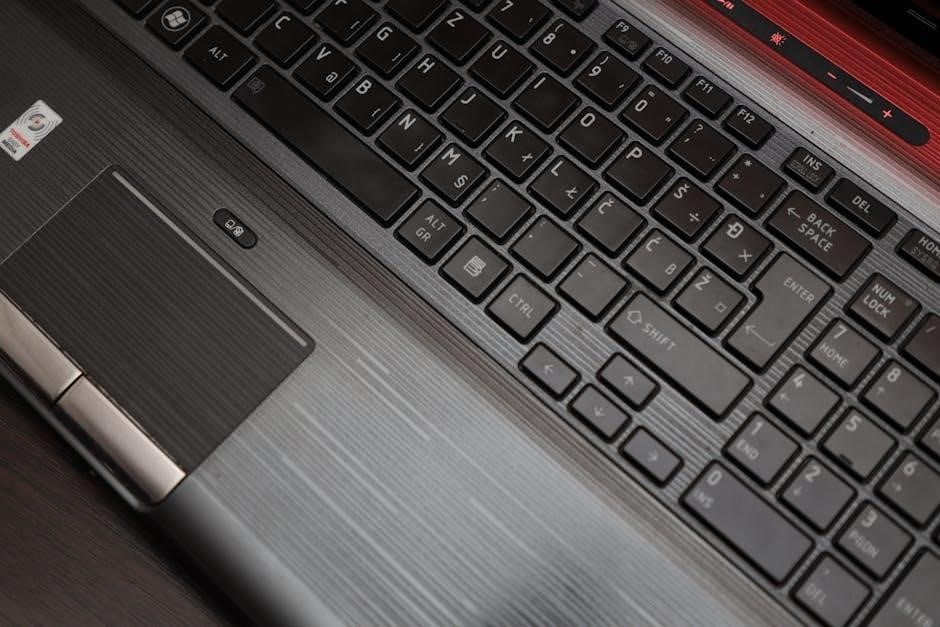
The Honeywell 6160 keypad boasts a robust feature set, beginning with its large, backlit, 2-line, 32-character alphanumeric LCD, providing clear system status and prompts. Sixteen large, telephone-style backlit keys, housed behind a protective swing-down door, facilitate easy operation even in low-light conditions.
Functionally, the 6160RF integrates a 5881H RF receiver and a 5800TM transmitter, enabling two-way wireless communication with the control panel and other compatible devices. It supports alphanumeric codes for user access and system control. Specifications include compatibility with 5800 Series wireless devices, and operation with VISTA series panels. Detailed specifications and operational guidance are comprehensively documented in the downloadable Honeywell 6160 user manual PDF, essential for installers and end-users alike to understand and utilize its full potential.
Understanding the Keypad Display
The Honeywell 6160 keypad features a prominent 2-line, 32-character alphanumeric LCD, designed for clear and concise presentation of system information. The display dynamically shows system status – armed/disarmed, zone bypasses, trouble conditions, and time/date. User prompts for code entry and system commands are also displayed here.
Understanding the display’s icons and messages is crucial for effective system operation. The downloadable Honeywell 6160 user manual PDF provides a detailed explanation of each display element. Backlighting ensures visibility in low-light environments. The display’s layout is intuitive, presenting critical information at a glance. Familiarizing yourself with the display’s functionality, as outlined in the manual, will significantly enhance your ability to manage and interact with your security system efficiently and confidently.
LED Indicators and Their Meanings
The Honeywell 6160 keypad utilizes several LED indicators to convey system status at a quick glance. These LEDs provide visual cues regarding arming status (Armed Away, Armed Stay), trouble conditions (sensor faults, communication issues), and system activity. A steady red LED typically indicates a trouble condition requiring attention, while a flashing LED often signifies normal system operation or communication.
The downloadable Honeywell 6160 user manual PDF comprehensively details each LED’s specific meaning and associated actions. Understanding these indicators is vital for promptly addressing system issues and ensuring optimal security. The manual clarifies the difference between various LED patterns – steady, flashing, and off – and their corresponding implications. Referencing the manual’s LED guide will empower users to interpret system signals accurately and maintain a secure environment.

Installation and Setup
The 6160RF keypad integrates with VISTA panels and supports 5800 Series wireless devices; the PDF manual provides detailed guidance for wireless integration and programming procedures.
Wireless Keypad Integration with Control Panels
The Honeywell 6160RF keypad/transceiver excels in wireless integration, specifically designed for compatibility with control panels supporting the 5800 Series wireless devices. This includes popular models like the VISTA-10P, VISTA-15P, and VISTA-20P, offering a seamless connection for enhanced security systems. The downloadable PDF manual provides step-by-step instructions detailing the enrollment process, ensuring a secure and reliable link between the keypad and the central control panel.
Successful integration requires careful attention to addressing and programming. The manual clearly outlines how to assign a unique address to the 6160RF, preventing interference with other wireless devices on the network. Furthermore, it guides users through the programming procedures necessary to define the keypad’s functionality within the system, such as zone assignments and user code configurations. Proper setup, as detailed in the PDF, is crucial for optimal performance and reliable communication.
Programming the Honeywell 6160 Keypad
The Honeywell 6160 keypad’s programming, thoroughly explained in the downloadable PDF manual, allows for extensive customization of its functionality. Users can configure various settings, including user codes, zone definitions, and system options, tailoring the keypad to their specific security needs. The manual details how to access the programming mode, navigate the menu options, and input the desired parameters using the keypad’s intuitive interface.
Key programming aspects include assigning zones to specific sensors, defining entry/exit delays, and setting up bypass options for individual sensors. The PDF guide provides clear instructions on creating and managing user access codes, granting varying levels of control to different individuals. Furthermore, it covers advanced programming features, such as adjusting the keypad’s display settings and configuring communication parameters. Mastering these programming options, as outlined in the manual, unlocks the full potential of the 6160 keypad.
Enrollment Process with the Security System
The Honeywell 6160 keypad’s enrollment process, detailed within the comprehensive PDF manual, establishes communication between the keypad and the central security control panel. This crucial step ensures seamless operation and allows the system to recognize and respond to commands issued from the keypad. The manual guides users through the enrollment sequence, typically involving entering a specific programming mode on both the panel and the keypad.

The process often requires assigning a unique device ID to the 6160 keypad, enabling the control panel to differentiate it from other wireless devices. The PDF provides step-by-step instructions, including button combinations and menu navigation, to successfully complete the enrollment. Successful enrollment is confirmed by visual indicators on both the keypad and the control panel. Proper enrollment, as described in the manual, is fundamental for reliable system performance and accurate security monitoring.
Troubleshooting Common Installation Issues
The Honeywell 6160 keypad user manual PDF provides valuable troubleshooting guidance for common installation hurdles. Frequently encountered issues include communication failures between the keypad and the control panel, often resolved by verifying proper enrollment procedures as detailed in the manual. Weak signal strength, particularly in wireless setups, can be addressed by repositioning the keypad or checking for interference sources, with the PDF offering signal strength assessment tips.
Power-related problems, such as a non-responsive keypad, are addressed with battery checks and wiring confirmations. The manual also assists with programming errors, guiding users through resetting the keypad or correcting incorrect zone assignments. Detailed diagrams and error code explanations within the PDF simplify diagnostics; Following the manual’s systematic approach ensures efficient resolution of installation challenges, leading to a fully functional security system.

Operating the Keypad
The Honeywell 6160 keypad facilitates system arming, disarming, and user code entry, detailed in the PDF manual. It also supports zone bypassing and panic button activation.

Arming and Disarming the System
The Honeywell 6160 keypad offers multiple arming modes, typically including ‘Stay’ for securing the premises while occupants remain inside, and ‘Away’ for complete protection during vacancy. The user manual PDF details specific key sequences for each mode, often involving entering a valid user code followed by the desired arming option.
Disarming the system requires entering the authorized user code within a specified timeframe after entry. Failure to do so may trigger an alarm. The manual clarifies procedures for responding to false alarms and provides guidance on system status indicators displayed on the keypad’s LCD screen. It also explains how to interpret different LED signals related to arming and disarming processes. Understanding these procedures, as outlined in the downloadable PDF, is crucial for effective system operation and minimizing potential security breaches. Proper arming and disarming practices, guided by the manual, ensure reliable protection.
Entering User Codes
The Honeywell 6160 keypad utilizes user codes for system access, arming, disarming, and programming functions. The user manual PDF provides detailed instructions on how to correctly input these codes using the keypad’s alphanumeric keys; It emphasizes the importance of maintaining code security and avoiding easily guessable combinations.
The manual outlines procedures for adding, deleting, and modifying user codes through the system’s programming mode. It also explains how to manage different user access levels, granting specific privileges to authorized individuals. Incorrect code entry attempts typically trigger a lockout period, detailed in the PDF, to prevent unauthorized access. The guide clarifies how to reset a forgotten code, often requiring a master code or contacting the security system provider. Following the manual’s guidance ensures secure and efficient user code management, vital for system integrity.
Bypass Zones and Sensors
The Honeywell 6160 keypad user manual PDF explains how to temporarily bypass specific zones or sensors within the security system. This feature is crucial when a sensor is malfunctioning, undergoing maintenance, or if a door/window is left open intentionally. The manual details the specific key sequences required to enter bypass mode and select the zones to be excluded from monitoring.
It’s vital to understand that bypassing a zone reduces system protection, and the manual stresses the importance of re-enabling bypassed zones as soon as possible. The PDF clarifies the difference between temporary bypasses (lost upon power cycle) and permanent bypasses (requiring reprogramming). It also warns against bypassing critical zones without careful consideration. Proper utilization of the bypass function, as outlined in the manual, allows for flexible system management while maintaining a reasonable level of security.
Panic Button Functionality
The Honeywell 6160 keypad user manual PDF thoroughly explains the critical function of the panic button. This feature allows users to immediately signal an emergency to the monitoring center or dispatch authorities, even when disarmed. The manual details the specific key combination or dedicated button press required to activate the panic alarm, emphasizing its importance in urgent situations.
It clarifies the different types of panic alarms supported – typically burglary, medical, and fire – and how each is signaled to the central station. The PDF also outlines the system’s response to a panic alarm activation, including siren duration and communication protocols. Users are advised to familiarize themselves with the panic button procedure and to avoid accidental activation. The manual stresses the importance of understanding the potential consequences of triggering a panic alarm and responsible usage.

Advanced Features
The Honeywell 6160 keypad offers remote control, two-way voice communication, and wireless capabilities. The user manual PDF details these features and signal strength optimization.
Remote Control Capabilities
The Honeywell 6160 keypad, as detailed in the user manual PDF, functions as a transceiver, enabling remote control of your security system. This functionality extends beyond simple arming and disarming; it allows for zone bypass and system status checks from a distance. The 6160RF model specifically integrates a 5800 Series wireless receiver and transmitter module, facilitating communication with the control panel.
Users can utilize the keypad to remotely manage various system settings, enhancing convenience and control. The downloadable PDF manual provides comprehensive instructions on configuring and utilizing these remote features. It outlines the process of pairing the keypad with the control panel and customizing remote access permissions. Understanding these capabilities is crucial for maximizing the benefits of the Honeywell 6160 system, offering a user-friendly experience and increased security management options.
Two-Way Voice Communication
While the Honeywell 6160 keypad itself doesn’t inherently feature two-way voice communication, its integration with compatible Honeywell control panels—like the VISTA series—enables this functionality. The downloadable PDF manual details how the 6160RF transceiver component supports voice communication through the connected panel. This allows for remote voice interaction with the monitoring center during alarm events or system checks.
Users can leverage this feature to verify alarms, provide additional information to responders, or receive instructions from the central station. The manual clarifies the setup process, including connecting an external phone line to the control panel. Proper configuration, as outlined in the PDF, is essential for reliable two-way voice operation. This capability significantly enhances the security system’s responsiveness and provides an added layer of protection and peace of mind for users.
Wireless Range and Signal Strength

The Honeywell 6160RF keypad functions as a transceiver, utilizing 5800 Series wireless technology. The downloadable PDF manual emphasizes that wireless range is contingent upon environmental factors, including building materials and potential interference. Typical range can extend up to several hundred feet in open air, but obstructions like walls and metal can significantly reduce it.
The manual details signal strength indicators displayed on the keypad, allowing users to assess the reliability of the wireless connection. Regularly checking these indicators is crucial for ensuring consistent communication with the control panel. Strategies for improving signal strength, such as relocating the keypad or utilizing a signal repeater, are also outlined within the PDF. Optimal placement and minimizing interference are key to maximizing the wireless performance of the 6160RF system, as thoroughly explained in the user guide.
Battery Life and Replacement
The Honeywell 6160RF keypad relies on battery power for wireless operation, and the downloadable PDF manual provides detailed guidance on battery life and replacement procedures. Typical battery life varies depending on usage patterns and signal strength, but generally lasts several months to a year. The keypad will display a low battery warning when replacement is needed, prompting users to take action.
The manual specifies the correct battery type required for optimal performance and outlines a step-by-step process for safely replacing the batteries. It’s crucial to use the recommended battery type to avoid damaging the keypad or compromising its functionality. Proper battery maintenance ensures continuous wireless communication with the security system. The PDF also addresses potential issues related to battery contacts and troubleshooting steps if the low battery warning persists after replacement, offering comprehensive support for maintaining the keypad’s power source.
Maintenance and Troubleshooting
The Honeywell 6160’s PDF manual details cleaning, error code solutions, factory resets, and general upkeep. It provides resources for resolving common operational issues efficiently.
Cleaning and Care Instructions
Maintaining your Honeywell 6160 keypad ensures optimal performance and longevity. The user manual PDF emphasizes gentle cleaning practices to avoid damage. Regularly wipe the keypad surface with a soft, dry cloth to remove dust and fingerprints. Avoid using abrasive cleaners, solvents, or excessive moisture, as these can harm the finish and internal components.
For stubborn marks, lightly dampen the cloth with water and mild soap, ensuring it’s wrung out thoroughly before wiping. Never spray liquids directly onto the keypad. Pay particular attention to the keys and display area, ensuring they remain free from debris. The decorative door should also be cleaned periodically. Inspect the keypad for any physical damage, such as cracks or loose keys, and address them promptly. Proper care, as outlined in the manual, will help keep your Honeywell 6160 keypad functioning reliably for years to come.
Common Error Codes and Solutions
The Honeywell 6160 keypad, as detailed in its user manual PDF, may display error codes indicating system issues. These codes assist in diagnosing and resolving problems efficiently. Common errors relate to communication failures with the control panel, low battery levels in wireless devices, or zone faults. The manual provides a comprehensive list of these codes and their corresponding meanings.
For example, a “Check Zone” error suggests a sensor issue, while a “No Communication” error indicates a connection problem. Solutions range from replacing batteries and verifying wiring to reprogramming zones and checking the system’s configuration. Referencing the PDF manual’s troubleshooting section is crucial for accurate diagnosis. If an error persists, contacting a qualified security technician is recommended to prevent further complications and ensure system integrity. Understanding these codes empowers users to address minor issues independently.

Resetting the Keypad to Factory Defaults
The Honeywell 6160 keypad’s user manual PDF outlines the procedure for restoring it to factory default settings. This process erases all programmed information, including user codes, zone configurations, and wireless device enrollments. It’s typically reserved for situations where the keypad is malfunctioning or being repurposed for a different system.
The reset usually involves a specific sequence of key presses, often requiring access to the keypad’s programming mode. The manual provides step-by-step instructions, emphasizing the importance of noting existing settings before initiating the reset. After a factory reset, the keypad must be completely reprogrammed, including re-enrolling all wireless sensors and establishing new user access codes. Caution is advised, as this action effectively wipes the keypad’s memory. Always consult the PDF manual for the precise reset procedure applicable to your specific system configuration.
Downloading the Honeywell 6160 PDF Manual
Accessing the Honeywell 6160 keypad user manual in PDF format is straightforward. Numerous online resources host the document, offering convenient access to comprehensive installation, programming, and troubleshooting guidance. A quick web search for “Honeywell 6160 PDF manual” yields direct links to official Honeywell documentation and reputable security system websites.
These PDF manuals typically cover all aspects of the 6160RF keypad/transceiver, including detailed explanations of LED indicators, keypad displays, and operational procedures. Downloading the manual allows for offline access, enabling users to consult the information even without an internet connection. The PDF format ensures compatibility across various devices, from computers and tablets to smartphones. Ensure the downloaded manual corresponds to your specific 6160 model for accurate information and optimal system performance. Regularly checking for updated versions is also recommended.