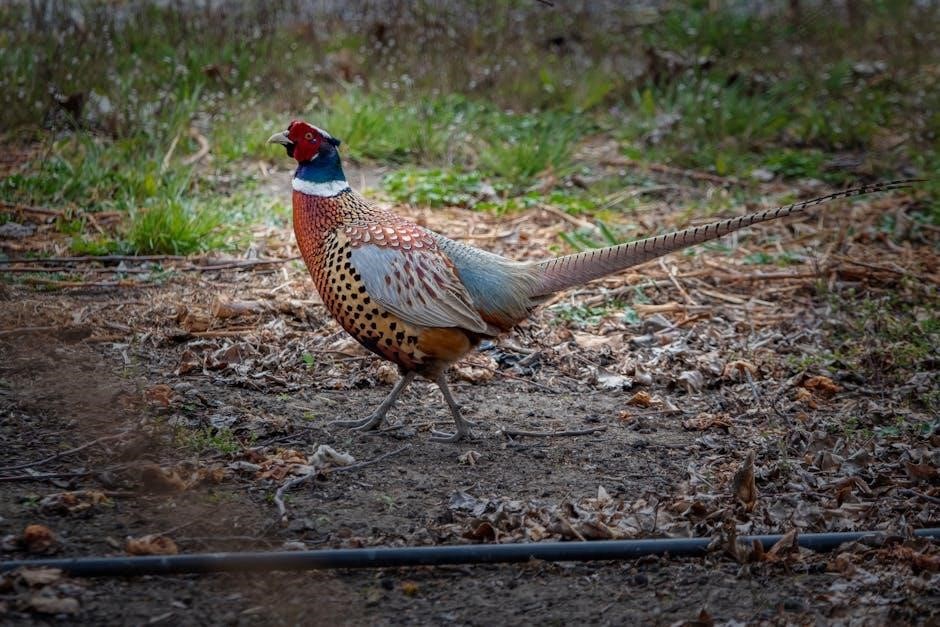
South Dakota Self-Guided Pheasant Hunting: A Comprehensive Plan
Embark on an unforgettable adventure! South Dakota beckons with abundant pheasant, offering seasoned hunters and newcomers alike a thrilling, self-directed experience.
Understanding the South Dakota Pheasant Hunting Landscape
South Dakota’s reputation as a premier pheasant hunting destination is well-deserved, largely due to its expansive grasslands and agricultural lands providing ideal habitat. The state consistently ranks among the top producers of wild ring-necked pheasants, attracting hunters nationally and internationally.
Successful self-guided hunts hinge on understanding this landscape; it’s a mosaic of privately-owned farmland, public walk-in areas, and game production areas. Recent seasons have demonstrated remarkable success, with over 1.3 million pheasants harvested in 2024 – the highest number in thirteen years! This success is directly linked to favorable habitat conditions and proactive conservation efforts.
Hunters should anticipate varied terrain, ranging from rolling hills to flat agricultural fields, influencing hunting strategies. Knowing the interplay between crop cycles, weather patterns, and pheasant behavior is crucial for maximizing your time in the field.
Historical Harvest Data & Recent Successes
South Dakota’s pheasant hunting history reveals cyclical trends, influenced by weather, habitat, and conservation initiatives. While harvests fluctuate, the state consistently provides substantial hunting opportunities. The 2024 season marked a significant upswing, with hunters reporting a remarkable harvest of 1.3 million pheasants – a thirteen-year high!
This recent success follows years of dedicated habitat improvement programs and favorable breeding conditions. Prior to 2024, harvests had been steadily increasing, indicating a positive trend in pheasant populations. Additionally, private shooting preserves contributed significantly, accounting for an additional 380,000 harvested birds.
Analyzing historical data helps hunters understand peak harvest years and anticipate potential trends, informing their planning and strategy for future self-guided hunts. Continued monitoring and conservation are vital for sustaining these successes.
Key Hunting Season Dates & Regulations
South Dakota’s traditional pheasant hunting season generally runs from October 18th to January 31st. However, specific dates can vary slightly year to year, so confirming the official schedule with the South Dakota Game, Fish and Parks (GF&P) is crucial. Hunters must adhere to strict regulations to ensure fair chase and conservation.
These regulations encompass legal shooting hours (typically sunrise to sunset), bag limits (often a daily limit of 3 roosters), and permitted hunting methods. The use of electronic calls or baiting is generally prohibited. Hunters are also required to wear blaze orange clothing for safety.
Staying informed about any emergency rule changes or special season adjustments announced by the GF&P is paramount. Thoroughly reviewing the hunting handbook before your trip will guarantee a compliant and enjoyable self-guided pheasant hunt.
Public Hunting Lands in South Dakota
South Dakota provides extensive public land opportunities for self-guided pheasant hunters. Two primary programs offer access: Walk-In Areas (WIA) and Game Production Areas (GPA). WIAs are privately owned lands leased by the GF&P, providing temporary public hunting access – a fantastic option for varied terrain.
GPAs, managed by the GF&P, are state-owned lands specifically dedicated to wildlife habitat and hunting. These areas often feature diverse cover types ideal for pheasants. Access to both WIA and GPA locations is detailed in the annual South Dakota Public Hunting Atlas, available online and at license vendors.
Remember to respect private property boundaries and adhere to all posted regulations when utilizing these public lands. Scouting these areas beforehand is highly recommended to identify productive pheasant hotspots.
Walk-In Areas (WIA) Program
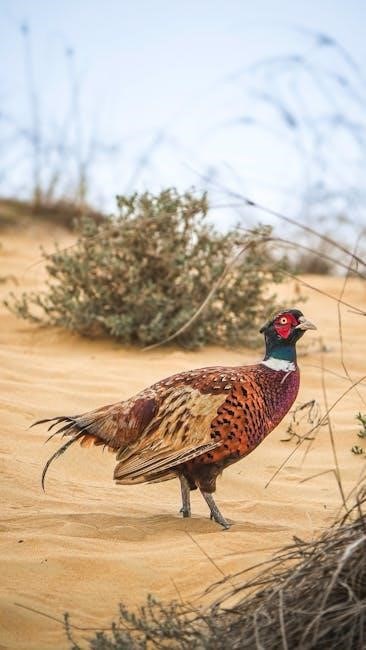
South Dakota’s Walk-In Areas (WIA) program is a cornerstone of public pheasant hunting access. This initiative leases privately-owned lands, granting temporary public hunting privileges. WIAs offer diverse landscapes, from grasslands and agricultural fields to shrublands, providing varied hunting experiences.
The program’s strength lies in its accessibility; maps detailing WIA locations and specific regulations are readily available through the South Dakota Game, Fish and Parks (GF&P) website and printed hunting atlases. Hunters should meticulously review these maps before venturing out, noting any restrictions or seasonal closures.
WIAs are incredibly popular, so arriving early or exploring less-traveled areas can increase your chances of success. Respect landowners’ property and follow all posted rules.
Game Production Areas (GPA)
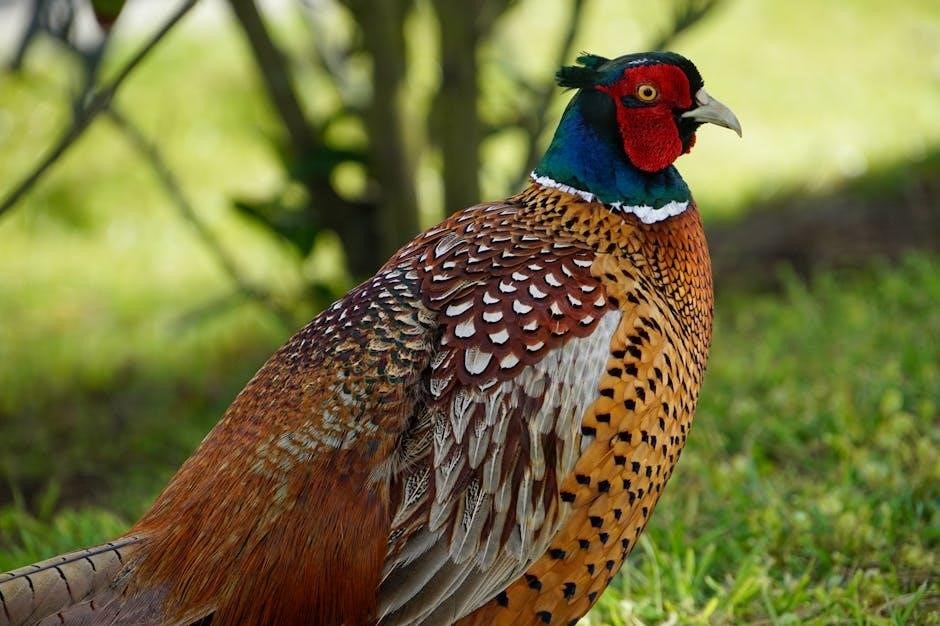
South Dakota’s Game Production Areas (GPAs) represent another vital component of public hunting lands. These areas, owned by the GF&P, are actively managed to enhance wildlife habitat, specifically benefiting ring-necked pheasants and other game species. GPAs typically consist of grasslands, food plots, and shrubby cover, creating ideal pheasant environments.
Unlike WIAs, GPAs generally have fewer restrictions, but hunters must still adhere to all statewide hunting regulations. Detailed maps illustrating GPA boundaries and access points are available on the GF&P website, alongside information regarding habitat types and potential hunting strategies.
GPAs often receive heavier hunting pressure, particularly during peak season, so scouting beforehand is highly recommended.
Planning Your Trip: Timing & Weather Considerations
Strategic timing is crucial for a successful South Dakota pheasant hunt. The traditional season runs from October 18th to January 31st, but early season (October/November) often presents the best opportunities, with birds less pressured and more predictable patterns. Late season hunting can be challenging due to snow cover and wary birds.
South Dakota weather is notoriously variable. October can bring mild temperatures, but November often sees freezing conditions and potential snowfall. Prepare for a wide range of conditions, layering clothing is essential. Checking the forecast immediately before and during your trip is vital for safety and comfort.
Consider that snowfall can impact access to certain areas, so having alternative hunting locations planned is wise.
Essential Gear for Self-Guided Pheasant Hunting
Proper equipment is paramount for a safe and productive hunt. A 12 or 20-gauge shotgun is standard, paired with appropriate ammunition – typically #6 or #5 shot for pheasant. Bring multiple chokes to adapt to varying terrain and shooting distances. Don’t forget shooting glasses and ear protection!
Durable, waterproof hunting apparel is essential, given South Dakota’s unpredictable weather. Insulated boots are a must, as you’ll be doing a lot of walking through fields and potentially snowy conditions. Orange clothing is legally required for visibility and safety.
Other vital items include a game bag, knife, binoculars, a GPS device or map, and a first-aid kit. Hydration and snacks are also crucial for long days in the field.
Shotguns & Ammunition
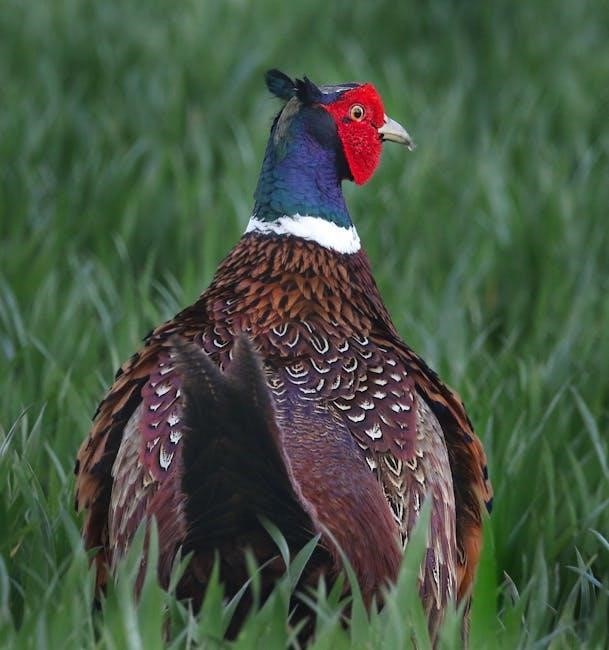
Selecting the right shotgun and ammunition is critical for success. A 12-gauge or 20-gauge shotgun are the most popular choices among South Dakota pheasant hunters, offering a balance of power and manageable recoil. Consider a versatile shotgun capable of handling different choke tubes.
For ammunition, #6 shot is a widely recommended all-around option, effective at moderate ranges. However, #5 shot provides increased range and penetration for longer shots. Steel shot is required for many public hunting areas, so check regulations carefully.
Bring a sufficient quantity of ammunition – at least a box or two – to avoid running short during a full day’s hunt. Practice with your chosen load beforehand to ensure proficiency and pattern consistency.
Hunting Apparel & Boots
Comfort and protection are paramount when navigating South Dakota’s pheasant fields. Layering is key, as weather conditions can change rapidly. Start with moisture-wicking base layers, followed by insulating mid-layers like fleece or wool; A waterproof and windproof outer shell is essential for protection against the elements.
Bright orange clothing – a hat and vest – is legally required for visibility and safety. Durable, waterproof hunting boots are crucial for traversing diverse terrain, including grasslands, wetlands, and potentially muddy fields.
Consider gaiters to keep debris out of your boots and provide added ankle support. Don’t forget gloves to protect your hands from the cold and brush, and a comfortable hat for sun or wind protection.
Navigating South Dakota Hunting Regulations
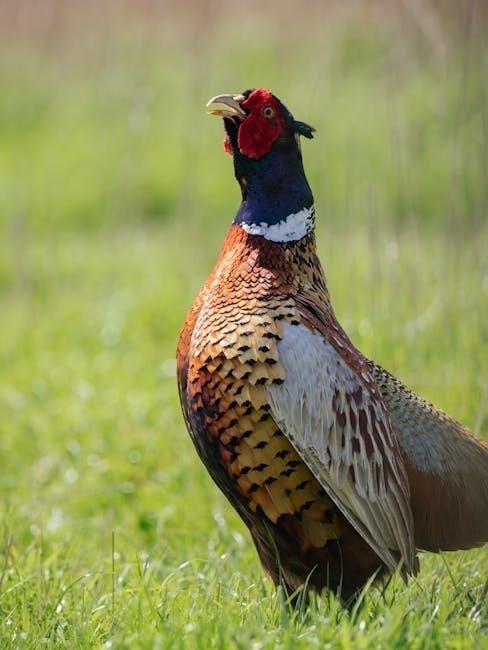
A successful and legal hunt hinges on understanding and adhering to South Dakota’s regulations. Hunters must thoroughly review the South Dakota Game, Fish and Parks (GFP) handbook, available online and at license vendors. Pay close attention to season dates, shooting hours, and bag limits – currently, a daily limit applies, with possession limits as well.
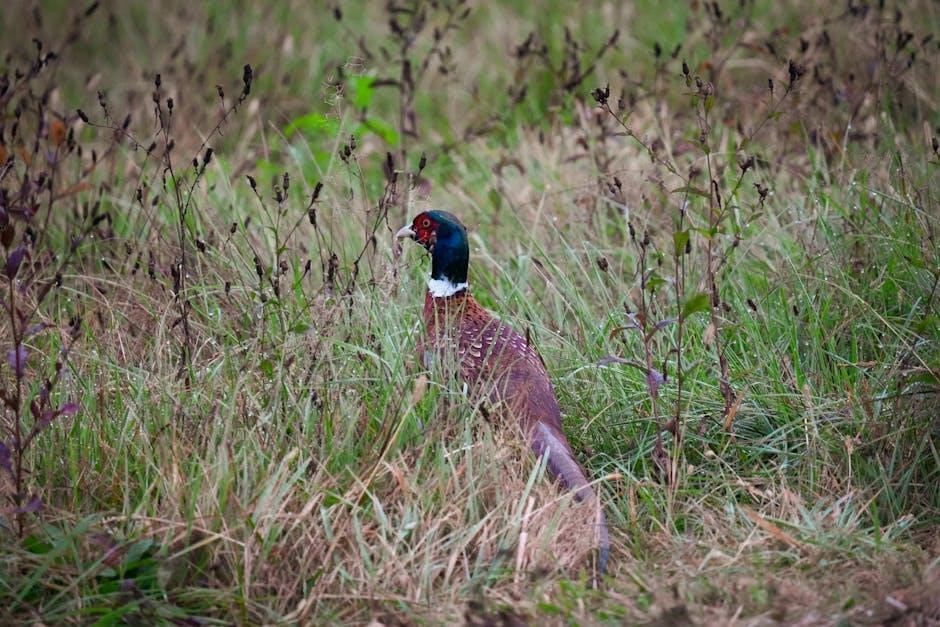
Regulations detail legal hunting methods, including shotgun gauges and ammunition restrictions. Hunter orange requirements are strictly enforced for safety. Understanding rules regarding public and private land access is vital, especially concerning Walk-In Areas and Game Production Areas.
Staying informed about emergency regulations or changes announced during the season is crucial. Ignorance of the law is not a valid defense, so prioritize compliance.
Obtaining Licenses & Permits
Securing the necessary credentials is the first step towards a legal South Dakota pheasant hunt. Non-resident hunters require a non-resident small game license, easily purchased online through the South Dakota Game, Fish and Parks (GFP) website, or at authorized vendors across the state.
Additionally, a habitat stamp is mandatory for all pheasant hunters, contributing to conservation efforts. Consider purchasing a South Dakota hunting atlas to aid navigation and identify public hunting lands. Licenses are valid for a specified period, aligning with the hunting season.
Ensure you carry your license and habitat stamp while hunting, as game wardens routinely check for compliance. Electronic licenses are permitted, but a fully charged device is essential.
Understanding Pheasant Habitat in South Dakota
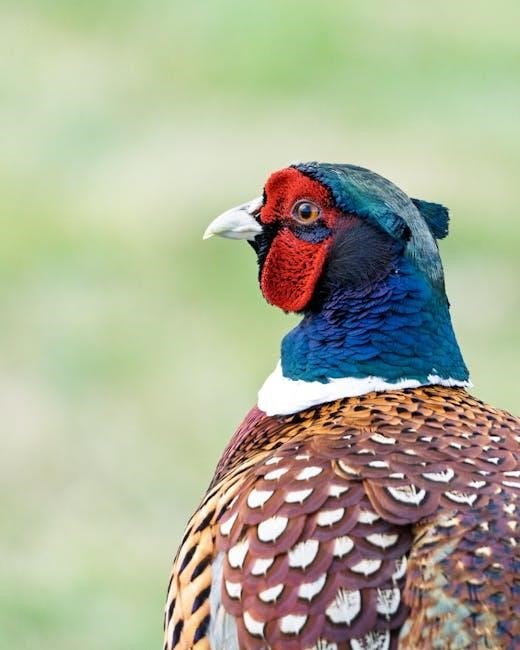
Pheasants thrive in landscapes offering a blend of cover and food sources. South Dakota’s prime pheasant habitat consists of grasslands, agricultural fields – particularly those with standing corn or wheat stubble – and areas with dense shrubs and cattails. These provide essential shelter from predators and harsh weather conditions.
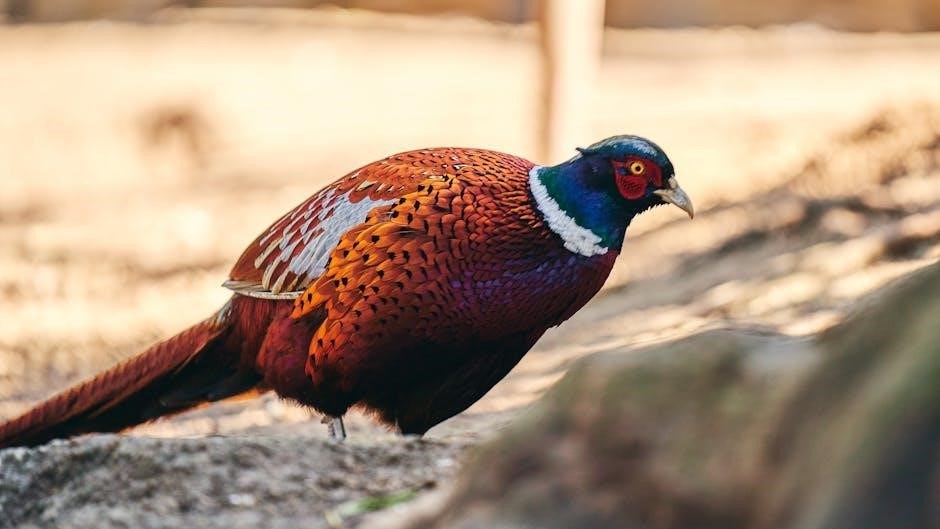
Look for areas bordering agricultural lands with adjacent grasslands; these “edge” habitats are particularly productive. Understanding crop rotations can help predict where pheasants will concentrate. Conservation programs, like the Walk-In Areas and Game Production Areas, actively manage habitat to benefit pheasant populations.
Successful hunters learn to identify these key habitat features and focus their efforts accordingly.
Top Regions for Self-Guided Hunts
Eastern South Dakota consistently ranks as a premier destination for pheasant hunting. Areas around Huron and Aberdeen boast a high density of birds, thanks to abundant agricultural lands and dedicated habitat programs. These regions offer a mix of public and potentially accessible private lands, ideal for self-guided adventures.
Central South Dakota, while potentially more challenging, presents opportunities for hunters willing to explore. The terrain is varied, and bird concentrations can be localized, requiring diligent scouting. Success often hinges on identifying pockets of quality habitat amidst the rolling plains.
Remember to research specific Walk-In Areas and Game Production Areas within these regions for optimal hunting locations.
Eastern South Dakota (e.g., Huron, Aberdeen)
Huron and Aberdeen serve as excellent basecamps for self-guided pheasant hunts. This region benefits from a landscape dominated by agricultural fields – corn, wheat, and sunflowers – providing crucial food sources and cover for pheasants. The combination of public hunting lands, like Walk-In Areas, and potentially accessible private lands creates diverse opportunities.
Expect to find birds concentrated along field edges, in shelterbelts, and within grassy waterways. Scouting is key to pinpointing active areas. Hunters frequently report strong harvests in this part of the state, particularly following favorable breeding conditions. Remember to check local regulations regarding road hunting and access.
Central South Dakota
Central South Dakota presents a unique, yet rewarding, self-guided pheasant hunting experience. While generally drier than eastern regions, this area still holds significant pheasant populations, particularly along the Missouri River corridor and in areas with sufficient moisture. Expect a more scattered distribution of birds, requiring diligent scouting and a willingness to cover ground.
Game Production Areas (GPAs) are particularly valuable resources here, offering public access to prime habitat. Focus your efforts on draws, creek bottoms, and areas where agricultural fields intersect with native grasslands. Be prepared for potentially challenging terrain and variable weather conditions. Success in central South Dakota demands adaptability and perseverance.
Private Shooting Preserves: An Overview
South Dakota’s private shooting preserves offer a distinct alternative to public land hunting, having been a part of the state’s pheasant landscape for 46 years. These preserves operate under different regulations than traditional public hunting areas, often featuring released birds and managed habitat. They provide a more controlled hunting environment, frequently appealing to those seeking guaranteed shooting opportunities.
However, preserve hunting typically comes at a higher cost, with per-bird fees or daily rates. While sometimes controversial, these preserves contribute significantly to the state’s economy, generating over $200 million annually. They can be an excellent option for hunters prioritizing convenience and consistent action, or for those new to pheasant hunting seeking a guided experience.
Ethical Hunting Practices & Safety
Prioritizing safety and ethical conduct is paramount during your South Dakota pheasant hunt. Always practice responsible firearm handling, treating every gun as loaded. Be acutely aware of your surroundings and clearly identify your target before taking a shot, ensuring a safe line of fire. Respect landowners and fellow hunters, obtaining permission before traversing private property.
Fair chase principles are crucial; avoid practices that unfairly advantage the hunter. Retrieve downed birds promptly and handle harvested game respectfully. Adhering to all South Dakota hunting regulations demonstrates ethical behavior and contributes to the sustainability of this cherished tradition. Remember, responsible hunting preserves the sport for future generations.
Post-Hunt: Game Processing & Transportation
Properly handling your harvest is essential after a successful South Dakota pheasant hunt. Field dressing birds quickly preserves meat quality, especially in warmer temperatures. Cooling the game rapidly prevents spoilage; utilize game bags and ice if necessary. Thorough cleaning and processing, either at home or a local processor, ensures delicious meals.
South Dakota regulations govern the transportation of harvested game. Birds must be visibly tagged with a hunting license number. Be aware of carcass import restrictions if traveling across state lines. Responsible disposal of unusable portions minimizes environmental impact. Enjoy the fruits of your labor, sharing your harvest with family and friends!
Resources for Hunters: Websites & Contacts
Planning a South Dakota pheasant hunt requires reliable information. The South Dakota Game, Fish and Parks (SDGFP) website (gfp.sd.gov) is your primary resource for regulations, licenses, and public hunting land maps. Their interactive habitat maps are invaluable for scouting potential hunting spots.
Contact the SDGFP directly at (605) 773-4234 for specific questions. Local chambers of commerce in key hunting regions like Huron and Aberdeen (huronsd.com, aberdeensd.com) offer lodging and dining information. Consider joining online forums and Facebook groups dedicated to South Dakota pheasant hunting for shared insights and recent reports. Utilize these resources to maximize your hunting success and ensure a safe, legal experience.
Maximizing Your Hunt: Scouting & Strategy
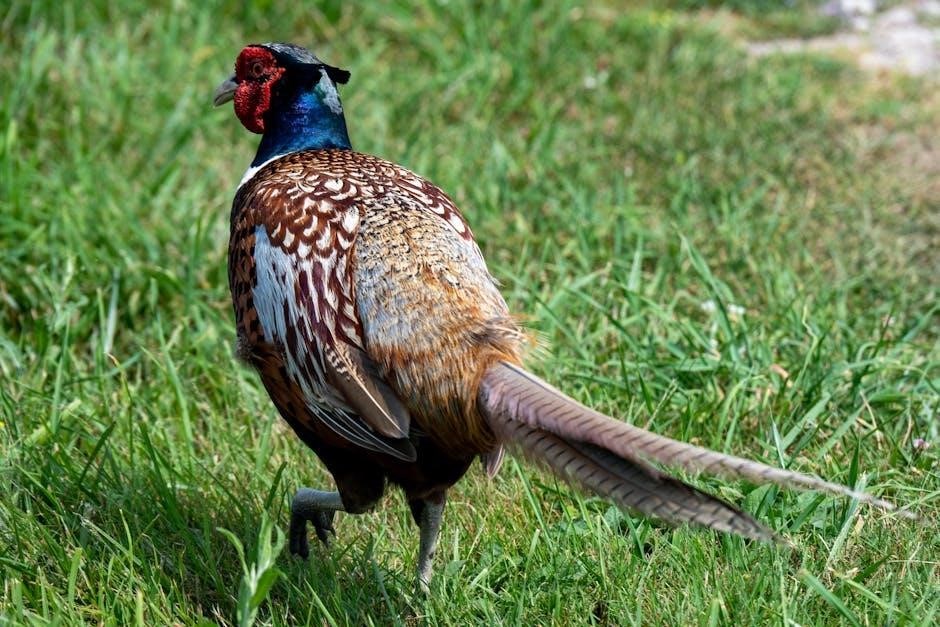
Successful self-guided pheasant hunting hinges on pre-season scouting. Utilize SDGFP habitat maps to identify areas with ample food sources – corn, wheat, and sunflowers – alongside protective cover like cattails and CRP fields. Drive rural roads, observing pheasant activity at dawn and dusk.
Focus on field edges and transition zones between habitat types. Consider wind direction; pheasants typically hold in areas offering cover from the prevailing wind. Employ a strategic approach: start at one end of a field and systematically work your way across. Be prepared to adapt your strategy based on bird behavior and hunting pressure. Patience and persistence are key to a rewarding hunt!