Keydous NJ80 Manual: A Comprehensive Guide
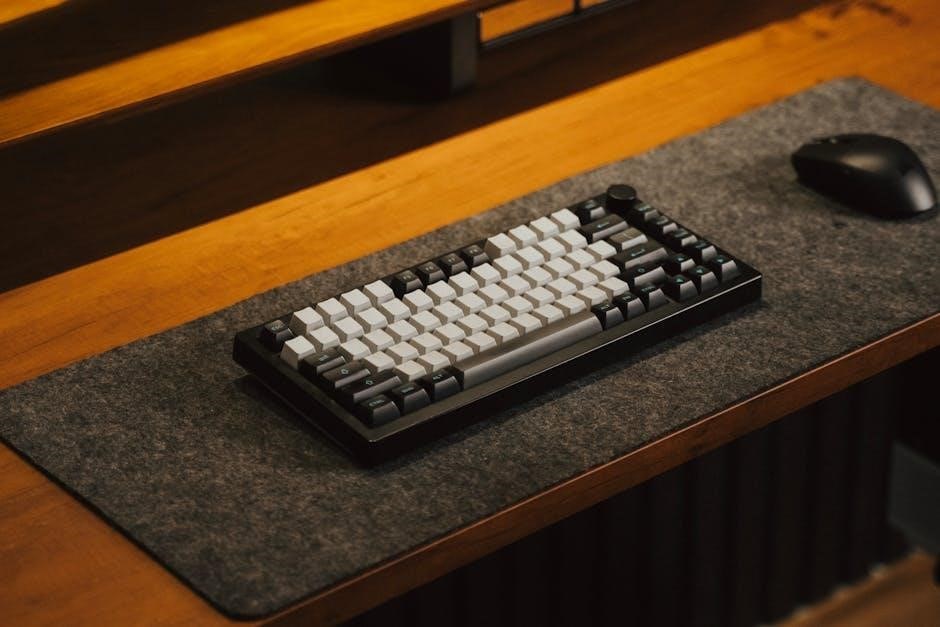
This manual details the Keydous NJ80, a 75% compact keyboard featuring wireless connectivity and options like a brass plate.
It’s designed to assist users with setup, customization, and troubleshooting, ensuring a seamless experience with this versatile device.
The NJ80-AP version comes equipped with Gateron Pro Milky Yellow switches, offering a unique tactile feel.
This guide will cover everything from initial unboxing to advanced configuration, including software utilization and potential issue resolution.
The Keydous NJ80 is a highly customizable mechanical keyboard gaining popularity among enthusiasts. It distinguishes itself as a 75% layout keyboard, offering a compact form factor without sacrificing essential keys. A baseline feature is its wireless capability, providing flexibility for various setups. The NJ80 isn’t just a keyboard; it’s a platform for personalization, allowing users to tailor the experience to their exact preferences.
Available in various configurations, the NJ80 often features options like a brass plate for enhanced sound and feel, and switches such as the Gateron Pro Milky Yellow, known for their smooth and tactile response. This manual serves as a comprehensive resource for both newcomers and experienced mechanical keyboard users. It aims to demystify the setup process, explore the extensive customization options, and provide solutions to common issues, ultimately maximizing your enjoyment of the Keydous NJ80.
Unboxing and Initial Inspection
Upon receiving your Keydous NJ80, carefully inspect the packaging for any signs of damage during transit. Once opened, verify the contents against the included inventory list. You should find the keyboard itself, a USB-C cable for wired connectivity, keycap pullers, and switch pullers (depending on the kit).
Thoroughly examine the keyboard for any physical defects, such as scratches or dents. Test all the keys to ensure they are functioning correctly. If you opted for a specific plate material, like brass, confirm it’s present and undamaged. Pay attention to the switch type – Gateron Pro Milky Yellow switches should feel smooth and responsive. Retain all packaging materials in case a return or warranty claim is necessary. Document any issues immediately with photos or videos for support requests.
Key Features and Specifications
The Keydous NJ80 is a 75% layout mechanical keyboard, offering a compact form factor without sacrificing essential keys. It boasts wireless capability, providing flexibility in how you connect. Key features include a customizable RGB lighting system, allowing for personalized aesthetics. The keyboard supports both wired and wireless connections, catering to diverse user preferences.
Specifications include compatibility with VIA/QMK firmware for advanced customization. It’s available with various switch options, notably the Gateron Pro Milky Yellow switches, known for their smooth operation. A brass plate option enhances the keyboard’s rigidity and sound profile. The NJ80 is designed for both gaming and general typing, offering a premium user experience. It’s a versatile keyboard suitable for enthusiasts and everyday users alike.
Hardware Overview
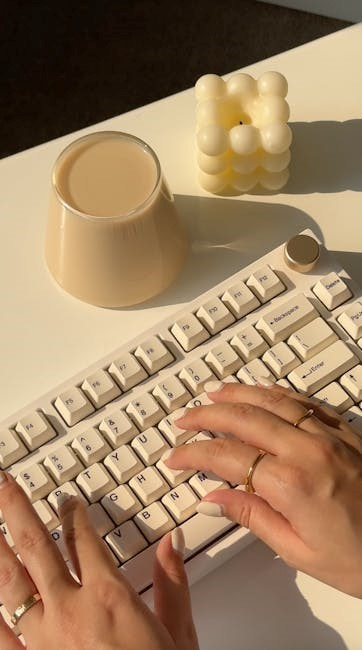
The Keydous NJ80’s hardware centers around its 75% layout, switch options (like Gateron Pro Milky Yellow), and potential brass plate construction.
Connectivity and keycap compatibility are also crucial elements.
Keyboard Layout and Keycaps
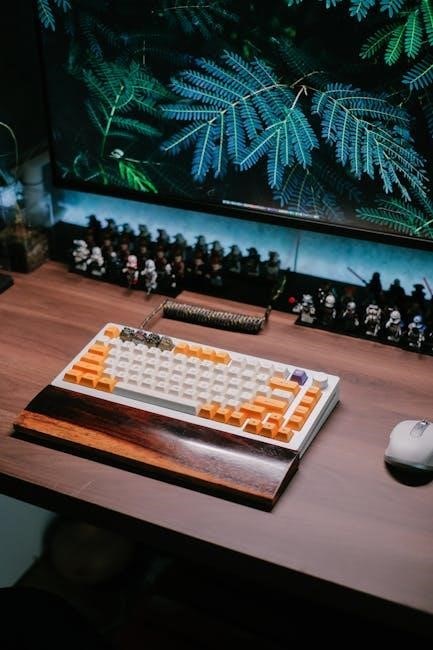
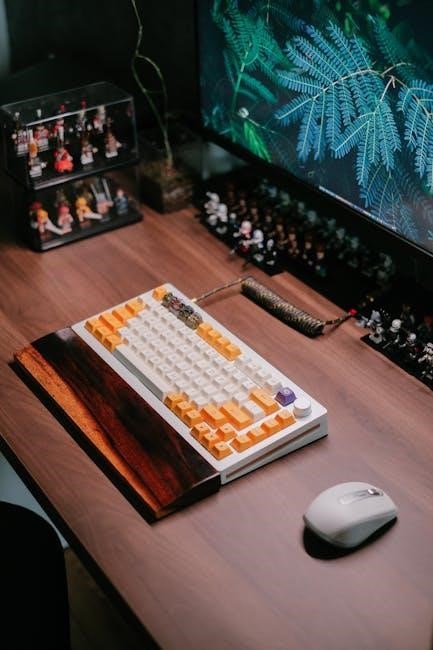
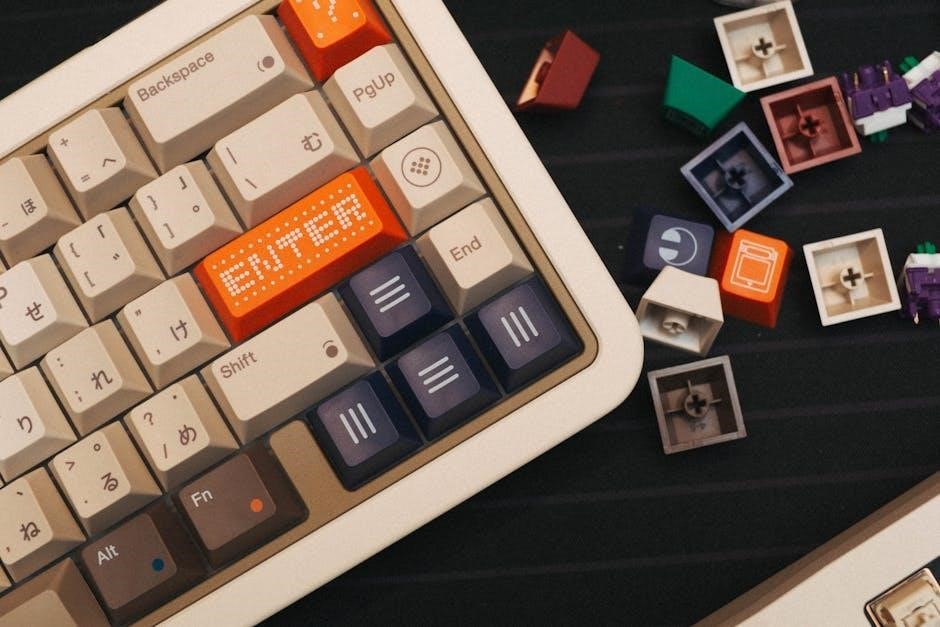
The Keydous NJ80 boasts a compact 75% layout, efficiently maximizing desk space while retaining dedicated function keys and arrow keys. This design strikes a balance between portability and functionality, appealing to users who prefer a streamlined setup. The keyboard’s physical arrangement is thoughtfully considered for ergonomic comfort and ease of access to frequently used commands.
Regarding keycaps, the NJ80 is compatible with standard Cherry MX-style keycaps, offering a vast ecosystem of customization options. Users can readily swap out the default keycaps for different materials, profiles, and aesthetics to personalize their typing experience. The keyboard supports various keycap profiles, allowing for tailored comfort and visual appeal. Considerations for keycap compatibility ensure a wide range of choices for individual preferences.
Connectivity Options: Wired and Wireless
The Keydous NJ80 offers versatile connectivity, supporting both wired and wireless operation. Wired connectivity is achieved through a USB-C port, providing a stable and reliable connection for gaming and critical tasks. This ensures minimal latency and consistent performance. Wireless connectivity utilizes Bluetooth, enabling seamless pairing with various devices like laptops, tablets, and smartphones.
The wireless functionality provides freedom from cable clutter, enhancing portability and workspace organization. Pairing is straightforward, and the keyboard remembers previously connected devices for quick reconnection. The NJ80-AP version specifically highlights wireless capability as a baseline feature. Users can switch between wired and wireless modes effortlessly, adapting to their specific needs and preferences for optimal convenience.
Switch Types: Gateron Pro Milky Yellow and Others
The Keydous NJ80 is designed with hot-swappable switches, offering users the flexibility to customize their typing experience. The standard configuration often includes Gateron Pro Milky Yellow switches, known for their smooth linear feel and relatively quiet operation. These switches provide a comfortable and responsive typing experience, suitable for both gaming and general use.
However, the hot-swap feature allows for easy replacement with a wide variety of other mechanical switches. Users can experiment with different switch types – tactile, clicky, or linear – to find their perfect match. Popular alternatives include Gateron Reds, Blues, and Browns, each offering a distinct feel and sound profile. This customization option extends the keyboard’s lifespan and caters to individual preferences, ensuring a personalized typing experience.
Plate Material: Brass Plate Considerations
The Keydous NJ80 offers various plate materials, with brass being a popular choice due to its unique characteristics. A brass plate contributes to a more premium feel and a distinct sound profile – often described as deeper and more resonant compared to other materials like polycarbonate or aluminum. This enhanced sound is a key appeal for keyboard enthusiasts.
However, brass plates are heavier and can slightly increase the overall cost of the keyboard. They also offer a stiffer typing experience, which some users may prefer for increased stability and reduced flex. The NJ80-AP version specifically comes with a brass plate, providing a solid foundation for the switches and keycaps. Consider your typing style and sound preference when evaluating the benefits of a brass plate.
Software and Customization
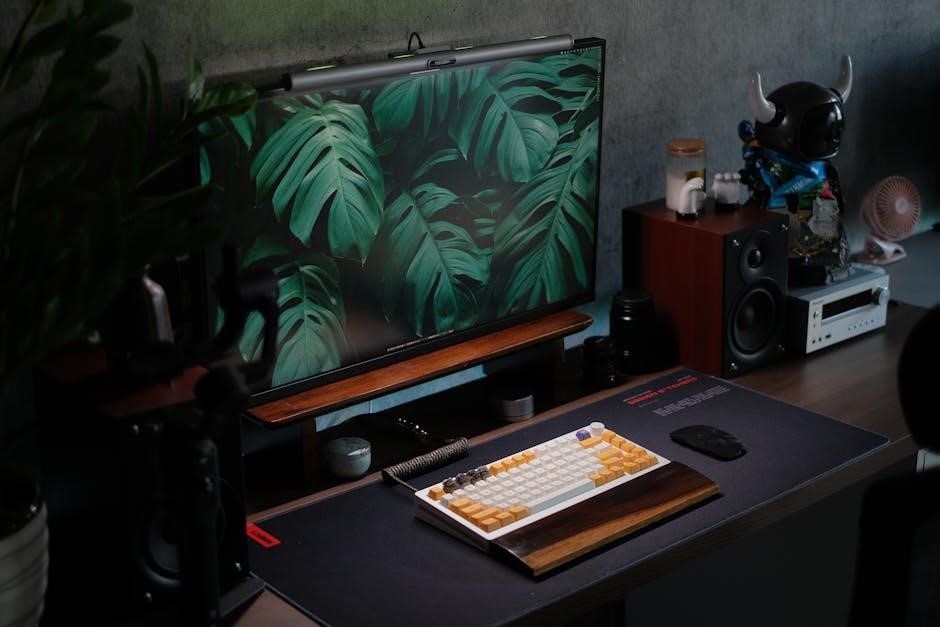
Keydous software enables extensive customization of the NJ80, including RGB lighting, key remapping, and macro programming.
Unlock the keyboard’s full potential through intuitive software controls and personalized settings.
Keydous Software Installation and Setup
To begin customizing your Keydous NJ80, you’ll need to install the dedicated Keydous software. Download the latest version from the official Keydous website, ensuring compatibility with your operating system (Windows is generally supported).
The installation process is straightforward: simply run the downloaded executable and follow the on-screen prompts. Once installed, launch the software and connect your NJ80 keyboard via USB. The software should automatically detect the keyboard.
Initial setup may involve a firmware check; if an update is available, it’s highly recommended to install it for optimal performance and access to the latest features. The software interface allows you to navigate through various customization options, including RGB lighting effects, key remapping, and macro creation. Ensure your keyboard is in the correct mode (typically wired for initial setup) for seamless communication with the software.
RGB Lighting Customization
The Keydous NJ80 boasts vibrant RGB lighting, fully customizable through the Keydous software. Within the software, navigate to the “Lighting” or “RGB” section to access a wide array of effects and color options. You can choose from pre-set lighting modes like static, breathing, wave, and reactive, or create your own custom profiles.
Individual key color assignment is also possible, allowing for unique and personalized lighting schemes. Adjust brightness, speed, and color palettes to match your preferences or gaming setup. The software typically offers a visual representation of the keyboard, making it easy to select and modify individual keys or groups of keys.
Experiment with different effects to find the perfect ambiance. Save your favorite profiles for quick access and enjoy the immersive lighting experience the NJ80 provides. Remember to apply changes and test the lighting to ensure it meets your expectations.
Key Remapping and Macro Programming
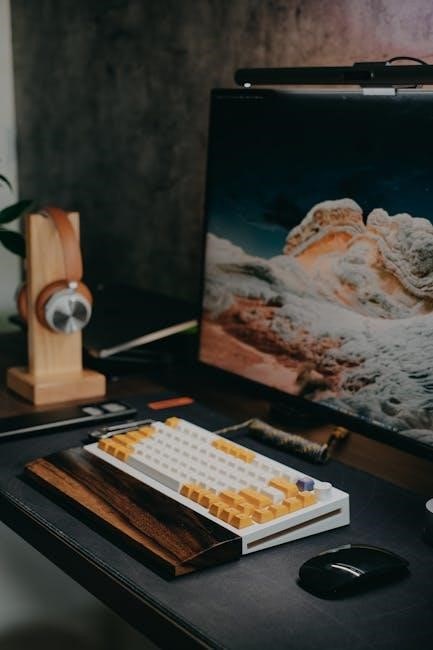
The Keydous NJ80, particularly when utilizing VIA/QMK compatibility, offers extensive key remapping and macro programming capabilities. Through the Keydous software, or directly within VIA/QMK, you can redefine any key to perform a different function. This allows for customized layouts tailored to your workflow or gaming needs.
Macro programming enables you to record and assign complex sequences of keystrokes to a single key. This is incredibly useful for automating repetitive tasks or executing intricate commands in games. The software typically provides a user-friendly interface for recording, editing, and managing macros;
Experiment with different key assignments and macro combinations to optimize your productivity. Save your custom profiles to easily switch between different configurations. Remember to test your remapped keys and macros thoroughly to ensure they function as intended.
Firmware Updates and Considerations
Keeping the firmware of your Keydous NJ80 up-to-date is crucial for optimal performance, bug fixes, and access to new features. Regularly check the Keydous website or community forums for available firmware updates; Before initiating an update, carefully read the release notes to understand the changes and potential compatibility issues.
The update process typically involves using the Keydous software. Ensure a stable connection between your keyboard and computer during the update. Interrupting the firmware update can potentially brick your keyboard, rendering it unusable.
Always back up your current keymap and settings before updating the firmware. This allows you to restore your preferred configuration if any issues arise during the update process. Consider the VIA/QMK compatibility when updating, ensuring the new firmware supports your desired customization method.
Troubleshooting Common Issues
This section addresses typical problems with the Keydous NJ80, including connectivity, keycap compatibility, software glitches, and switch malfunctions.
Solutions and preventative measures are detailed for a smooth user experience.
Connectivity Problems
Experiencing connection issues with your Keydous NJ80? Several factors can contribute to this. First, ensure the keyboard is adequately charged, as low battery can disrupt wireless connections. If using Bluetooth, verify it’s paired correctly within your device’s settings and that no other devices are interfering with the signal.
For wired connections, check the USB cable for damage and try a different port on your computer. Sometimes, a simple restart of your computer can resolve temporary communication errors. If problems persist, attempt to re-install the Keydous software, ensuring you have the latest version.
Users have reported occasional delays in registration with UNISA, mirroring potential software-related connectivity hiccups. Remember to consult the official Keydous documentation or online forums for specific troubleshooting steps related to your operating system and connection type.
Keycap Compatibility

The Keydous NJ80 utilizes a standard layout, offering broad compatibility with most aftermarket keycap sets. However, certain considerations apply. The NJ80 is designed for Cherry MX-style switches, ensuring compatibility with the vast majority of available keycaps.
When selecting keycaps, pay attention to the profile (e.g., Cherry, OEM, SA). While most profiles will physically fit, the feel and aesthetics may vary. Ensure the set includes the correct number of keys for a 75% layout, including the function row and navigation cluster.
Like navigating UNISA module registration, careful planning is key! Some specialized keycap sets may have compatibility issues with certain stabilizers. Always check user reviews or compatibility charts before purchasing to avoid potential fitment problems.
Software Glitches and Solutions
Occasionally, users may encounter glitches with the Keydous software. Common issues include failed firmware updates, unresponsive RGB controls, or key remapping problems. First, ensure you’re using the latest software version, as updates often address known bugs.
If the software freezes, try closing and restarting it. A complete system reboot can also resolve temporary conflicts. For firmware update failures, verify a stable internet connection and avoid interrupting the process.
Similar to accessing UNISA academic records, persistence is key. If problems persist, try reinstalling the software. If issues continue, consult the Keydous community forums or contact their support team for assistance. Back up your keymaps before any major software changes!
Addressing Switch Issues
The Keydous NJ80, particularly with Gateron Pro Milky Yellow switches, may occasionally experience switch-related problems. These can range from sticky keys to complete switch failure. If a key feels sticky, try gently removing the keycap and cleaning around the switch stem with compressed air.
For unresponsive switches, first confirm the issue isn’t software-related through key remapping checks. If the switch remains unresponsive, it may require replacement. Hot-swappable versions of the NJ80 allow for easy switch swaps without soldering.
Like navigating UNISA module registration, careful attention to detail is crucial. Ensure the replacement switch is compatible and properly seated. If you’re uncomfortable with hardware modifications, seek assistance from a qualified technician.
Advanced Configuration
Unlock the NJ80’s full potential with VIA/QMK compatibility, enabling custom keycap profiles and stabilizer tuning.
Optimize power management for extended battery life and a personalized typing experience.
VIA/QMK Compatibility
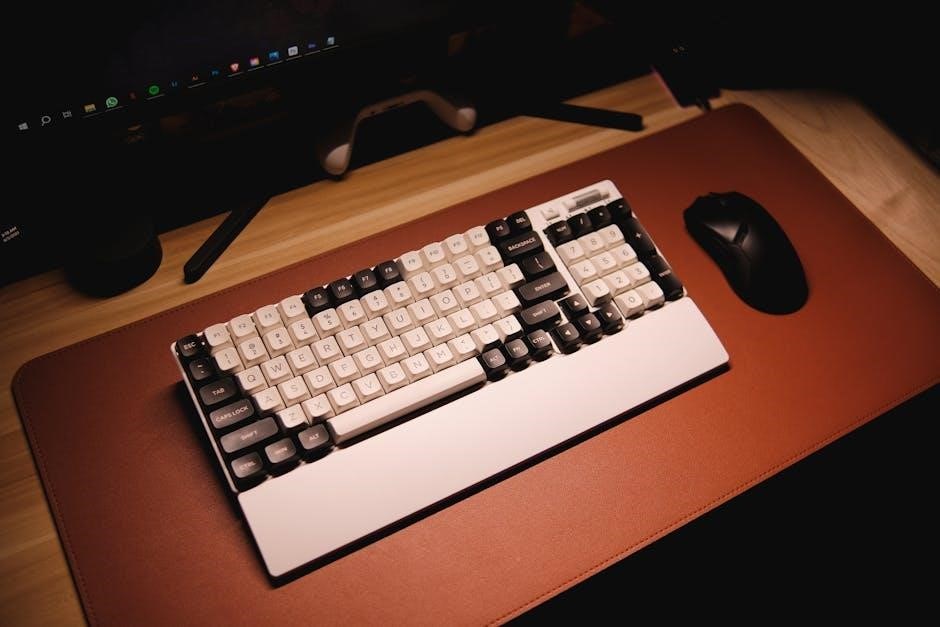
The Keydous NJ80 boasts impressive compatibility with both VIA and QMK firmware, opening doors to extensive customization beyond the standard software options. VIA allows for real-time key remapping and macro programming without needing to flash the firmware, providing a user-friendly interface for quick adjustments.
For more advanced users, QMK firmware offers unparalleled control; You can delve into the code to create highly personalized keyboard layouts, complex macros, and custom lighting effects. This requires a bit more technical knowledge, but the possibilities are virtually limitless. Accessing QMK allows for deep dives into the keyboard’s functionality, tailoring it precisely to your workflow and preferences.
Utilizing these open-source platforms empowers users to truly own their keyboard experience, moving beyond pre-defined settings and embracing a community-driven approach to customization. Resources and guides for both VIA and QMK are readily available online, supporting users through the configuration process.
Custom Keycap Profiles
The Keydous NJ80’s standard layout readily accommodates a wide variety of custom keycap profiles, allowing users to personalize the keyboard’s aesthetics and typing experience. Popular profiles like Cherry, OEM, SA, and XDA are generally compatible, offering diverse shapes and heights to suit individual preferences.
When selecting keycaps, ensure they are designed for a 75% layout and utilize the standard MX-style stem. This ensures proper fit and functionality. Consider the material – PBT keycaps are known for their durability and resistance to shine, while ABS keycaps offer a smoother texture and vibrant colors.
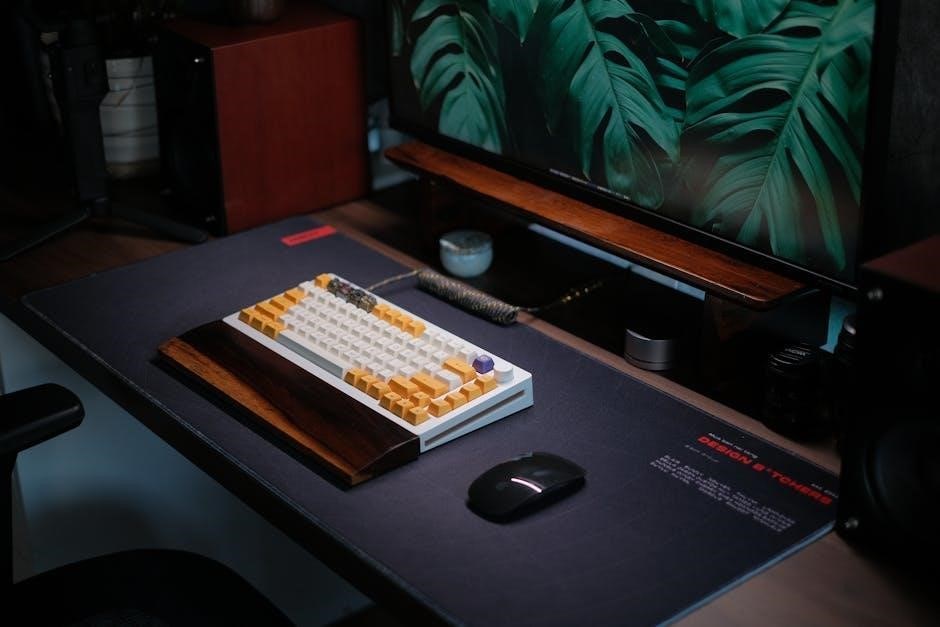
Experimenting with different profiles can significantly impact typing comfort and accuracy; Researching various profiles and reading user reviews can help you find the perfect match for your typing style. The NJ80’s build quality provides a solid foundation for showcasing premium keycap sets.
Stabilizer Tuning
Optimizing the stabilizers on your Keydous NJ80 is crucial for a rattle-free and consistent typing experience. The NJ80 utilizes plate-mounted stabilizers, which may require some tuning for optimal performance. Begin by disassembling the stabilizers carefully, noting their original configuration.
Applying a thin layer of lubricant, such as Krytox 205g0 or dielectric grease, to the stabilizer stems and housings significantly reduces friction and noise. Avoid over-lubricating, as this can dampen the feel. Ensure the wire doesn’t bind within the housing.
Consider using stabilizer pads or films to further minimize wobble and improve sound. These small additions can make a noticeable difference. Reassemble the stabilizers and test each key to ensure smooth travel and eliminate any unwanted rattling. Proper stabilizer tuning enhances the overall premium feel of the NJ80.
Power Management and Battery Life
The Keydous NJ80 offers both wired and wireless operation, impacting battery life significantly. When using Bluetooth, expect varying battery performance based on RGB lighting intensity and usage patterns. Brighter RGB settings will consume more power.
To maximize battery life, consider reducing RGB brightness or disabling it entirely when not needed. The keyboard features a built-in battery, rechargeable via USB-C. A full charge typically provides several hours of wireless use, though exact duration depends on settings.
The Keydous software may offer power-saving modes or options to monitor battery levels. Regularly checking the battery status prevents unexpected shutdowns during use. Wired operation bypasses battery usage, providing continuous power while connected.
Unisa Academic Resources (Related User Queries)
Users frequently inquire about accessing academic records, navigating module registration, and utilizing AI tools while maintaining academic integrity at UNISA.
Accessing Academic Records from UNISA
Many students encounter difficulties obtaining their academic records from UNISA, often citing unanswered emails and prolonged waiting periods. Historically, requests have been met with delays, prompting students to seek alternative avenues for information.
Based on user experiences, directly contacting UNISA’s administrative departments can prove challenging. Some individuals report success after persistent follow-up, while others suggest exploring online student portals for potential access to transcripts and academic summaries.
It’s advisable to keep detailed records of all communication attempts, including dates, times, and the names of any representatives contacted. Furthermore, exploring the ISPA’s zero-rated websites might offer access to UNISA resources without data costs, potentially aiding in the record retrieval process.
Navigating UNISA Module Registration
Prospective and current UNISA students often face hurdles during module registration, particularly when transferring credits from previous institutions. Individuals with prior qualifications, like a BSc Computer Science background, may encounter uncertainty regarding appropriate starting levels – whether to begin with first-year modules or proceed to more advanced coursework.
The registration process can be complex, especially for those with incomplete degrees from other universities. Students should carefully review UNISA’s policies regarding recognition of prior learning (RPL) to determine eligibility for credit.
Given the potential for registration deadlines and system issues, proactive engagement with UNISA’s support services is crucial. Students should be prepared to submit supporting documentation and follow up on their applications to ensure a smooth registration experience.
Utilizing AI Tools for Academic Integrity at UNISA
UNISA acknowledges the growing role of Artificial Intelligence (AI) in academic pursuits, actively promoting its responsible use by students. However, this acceptance is firmly grounded in the principles of academic integrity, demanding ethical application of these powerful tools.
Students are expected to leverage AI for research, brainstorming, and understanding complex concepts, but not for submitting work that isn’t their own. Proper attribution and transparency are paramount when incorporating AI-generated content into assignments.
The university emphasizes that plagiarism, even with AI assistance, remains a serious offense. Students must critically evaluate AI outputs and ensure originality in their submissions. Familiarizing oneself with UNISA’s policies on academic misconduct is essential for navigating this evolving landscape.