Chicco KeyFit 30 Car Seat Manual: A Comprehensive Guide
This manual provides essential guidance for the safe and correct use of the Chicco KeyFit 30 car seat‚ ensuring your child’s protection during every journey.
Always store this user guide on the base for future reference‚ and familiarize yourself with both this manual and your vehicle’s owner’s manual.
The KeyFit 30 is designed for children weighing 4-30 lbs (1.8-13.6 kg) and up to 30 inches in height‚ offering a secure and comfortable ride.
The Chicco KeyFit 30 is a highly-regarded‚ rear-facing infant car seat designed to provide maximum safety and convenience for parents and their little ones. This seat is engineered to securely transport children from their first ride home from the hospital through their toddler years‚ offering peace of mind on every journey.
Specifically‚ the KeyFit 30 is designed for infants weighing between 4 and 30 pounds and measuring up to 30 inches in height; It’s crucial to understand these weight and height limits to ensure your child remains within the seat’s protective capabilities.
Before use‚ carefully review this comprehensive manual alongside your vehicle’s owner’s manual. Proper installation and understanding of all features are paramount for optimal safety. Never allow anyone to use this car seat without first reading and fully comprehending all instructions contained within this user guide.
The KeyFit 30 boasts a user-friendly design and is renowned for its ease of installation‚ helping to minimize the risk of errors.
Understanding the Importance of a Car Seat Manual
A car seat manual isn’t merely a suggestion; it’s a critical component of child passenger safety. The Chicco KeyFit 30 manual provides detailed‚ step-by-step instructions vital for correct installation and usage‚ directly impacting the seat’s ability to protect your child in the event of a collision.
Incorrect installation is a common issue‚ significantly reducing the car seat’s effectiveness. The manual clarifies proper LATCH system usage‚ belt installation procedures‚ and how to achieve a secure fit within your specific vehicle. It also details crucial aspects like recline angles and leveling the base.
Furthermore‚ the manual outlines weight and height limits‚ ensuring your child remains within the seat’s protective parameters. It’s imperative that all caregivers read and understand these instructions before using the KeyFit 30. Storing the manual on the base‚ as recommended‚ ensures it’s always accessible for reference.
Ignoring the manual can lead to serious consequences; prioritize safety by thoroughly understanding every aspect of your car seat.
Installation & Vehicle Compatibility
Proper installation is paramount for safety‚ requiring careful attention to the vehicle owner’s manual alongside the KeyFit 30 instructions for secure placement.
Base Installation: Step-by-Step Guide
Begin by locating a suitable seating position in your vehicle‚ consulting the vehicle owner’s manual for appropriate locations for child restraint installation.
Place the KeyFit 30 base onto the vehicle seat‚ ensuring it sits flush against the seat back.
Adjust the base’s recline indicator to the correct position‚ verifying it aligns with the vehicle’s designated recline angle.
Extend the LATCH connectors or vehicle seat belt‚ preparing for secure attachment.
If using LATCH‚ hook the connectors onto the vehicle’s anchor points‚ tightening the straps until snug.
If using the seat belt‚ thread it through the designated belt path on the base‚ locking the belt according to your vehicle’s instructions.
Confirm a secure installation by attempting to move the base; it should not shift more than one inch side-to-side or front-to-back.
Always double-check the recline indicator and tightness of the connection before each use.
LATCH System Installation
The LATCH (Lower Anchors and Tethers for Children) system provides a convenient and secure method for installing the KeyFit 30 base. Locate the vehicle’s lower anchors – typically found in the seat bight‚ where the seat back and cushion meet;
Attach the KeyFit 30 base’s LATCH connectors to the vehicle’s lower anchors‚ ensuring a firm click to confirm a secure connection.
Pull the LATCH straps to tighten the base‚ eliminating slack and achieving a snug fit against the vehicle seat.
Verify the installation by firmly grasping the base near the belt path; it should not move more than one inch side-to-side or front-to-back.
Some vehicles may require you to tighten the LATCH straps further to achieve a secure installation.
Remember to consult your vehicle’s owner’s manual for specific LATCH usage instructions and weight limits.
Always double-check the LATCH connections before each use to ensure continued safety and stability.
Proper LATCH installation is crucial for optimal child protection.
Belt Installation: Correct Procedure
If your vehicle does not allow for LATCH installation‚ or if the vehicle manual restricts LATCH usage for this location‚ utilize the vehicle’s seat belt system. Route the vehicle’s seat belt through the designated belt path on the KeyFit 30 base.
Ensure the seat belt lies flat and is not twisted. Buckle the seat belt and firmly press down on the base to engage the locking mechanism – typically either a switchable retractor or a locking latch plate.
Pull the shoulder belt to remove all slack‚ achieving a tight fit. You should not be able to move the base more than one inch side-to-side or front-to-back.
If using a switchable retractor‚ engage the locking mode before tightening.
Always refer to your vehicle’s owner’s manual for specific seat belt instructions and locking mechanisms.
Double-check the installation before each use to confirm a secure and stable base.
Correct belt installation is vital for your child’s safety.
A properly installed base minimizes risk during a collision.
Vehicle Compatibility Check
Before installing the Chicco KeyFit 30 base‚ it’s crucial to verify compatibility with your vehicle. Not all vehicles are designed to accommodate every car seat correctly.
Consult the Chicco website’s vehicle compatibility database to check if your vehicle is listed as compatible with the KeyFit 30. This database provides specific installation guidance for many vehicles.

Always refer to your vehicle’s owner’s manual for instructions regarding car seat installation and any limitations specific to your vehicle model.
Pay attention to any warnings or restrictions outlined in either manual.
Ensure the vehicle seat has sufficient depth and contour to properly support the car seat base.
If you are unsure about compatibility‚ contact Chicco customer support or a certified Child Passenger Safety Technician (CPST) for assistance.
Proper vehicle compatibility is essential for a secure installation.
A correct fit ensures optimal protection for your child during travel.
Recline Indicator & Adjustment
The Chicco KeyFit 30 base features a recline indicator to ensure proper installation angle for optimal infant safety. Maintaining the correct recline is vital‚ especially for newborns.
Locate the recline indicator on the base – it’s typically a line or arc that shows the acceptable recline range.
Adjust the base’s recline using the recline mechanism‚ usually a lever or dial located near the base’s front.
Confirm the indicator falls within the designated green zone during installation. This signifies the base is at the correct angle.
An incorrect recline angle can compromise the car seat’s protective capabilities‚ particularly in a crash.
Always double-check the recline after installation and after any adjustments to the vehicle seat.
Refer to the diagrams in the user manual for a clear visual guide to the recline indicator and adjustment process.
Prioritize achieving the correct recline for your child’s safety and comfort.
Leveling the Base
Achieving a level installation of the Chicco KeyFit 30 base is crucial for proper car seat performance and infant safety. A level base ensures the car seat functions as designed in a crash scenario.
Use a bubble level (often integrated into the base or available separately) to verify the base is level from side-to-side.
Adjust the base by slightly shifting its position within the vehicle seat‚ or by using bubble level adjusters if equipped.
Small adjustments can make a significant difference in achieving a level installation.
If using the LATCH system‚ ensure the lower anchors are securely connected and the vehicle’s seatbelt isn’t interfering with the base’s level.
When using the belt installation method‚ firmly tighten the vehicle’s seatbelt and recheck the level.
Consult the user manual’s diagrams for visual guidance on leveling the base in your specific vehicle.
A properly leveled base is a cornerstone of safe car seat usage‚ protecting your precious cargo.

Using the Chicco KeyFit 30
Properly utilizing the KeyFit 30 involves understanding weight and height limits‚ ensuring a secure harness fit‚ and making necessary adjustments for optimal child safety.
Weight and Height Limits
The Chicco KeyFit 30 car seat is meticulously engineered for a specific range of infant sizes‚ prioritizing safety and comfort during travel. It’s crucial to adhere to these limits to ensure your child is adequately protected.
This car seat is designed for use with children weighing between 4 and 30 pounds (1.8 kg to 13.6 kg). Exceeding the maximum weight limit compromises the seat’s protective capabilities and could result in injury during a collision.
Furthermore‚ the KeyFit 30 accommodates infants with a height of up to 30 inches. Regularly checking your child’s height is essential‚ as they can quickly outgrow the height restriction even if they haven’t reached the weight limit.
Always verify both weight and height before each journey‚ and transition to a larger car seat when your child reaches either limit. Using a car seat outside of its specified parameters is unsafe and potentially illegal.
Harness Adjustment: Ensuring a Secure Fit
Proper harness adjustment is paramount for your child’s safety within the Chicco KeyFit 30 car seat. A correctly fitted harness distributes crash forces effectively‚ minimizing the risk of injury.
The harness straps should lie flat against your child’s shoulders and snugly against their body‚ without any slack. To tighten‚ pull the adjustment strap located at the front of the car seat until a secure fit is achieved.
You should not be able to pinch any excess webbing at your child’s shoulder. If you can‚ tighten the harness further. Conversely‚ ensure the harness isn’t overly tight‚ restricting your child’s movement or breathing.
Regularly check the harness fit‚ especially as your child grows. Adjust the harness height as needed to maintain the correct shoulder positioning. A secure‚ properly adjusted harness is the cornerstone of car seat safety.
Chest Clip Placement
The chest clip on the Chicco KeyFit 30 car seat plays a crucial role in positioning the harness straps correctly during a collision. It’s designed to keep the straps from sliding off your child’s shoulders‚ maximizing protection.
Position the chest clip at armpit level. This ensures the harness straps are optimally placed to distribute impact forces across the strongest parts of your child’s body.
Always ensure the chest clip is securely fastened. It should be snug against the harness straps‚ but not overly tight‚ allowing for comfortable breathing and movement.
Never adjust the chest clip while the vehicle is in motion. It should be adjusted only when the car is safely parked. Proper chest clip placement‚ combined with correct harness tightness‚ is vital for optimal car seat safety and your child’s well-being.

Headrest Adjustment
Proper headrest adjustment is essential for your child’s comfort and safety as they grow within the Chicco KeyFit 30 car seat. The headrest provides crucial support and protection for the head and neck.
The KeyFit 30 features multiple headrest positions to accommodate your child’s increasing height. To adjust‚ locate the adjustment slot at the back of the headrest.
Ensure the headrest is positioned so that the top of your child’s head is at least one inch below the highest point of the headrest. This allows for growth and prevents injury during a collision.
Always re-adjust the headrest as your child grows‚ ensuring it remains appropriately positioned. Regularly checking and adjusting the headrest guarantees optimal protection and a comfortable fit throughout your child’s use of the car seat.
Carrying the Car Seat
The Chicco KeyFit 30 is designed for convenient portability‚ allowing you to easily transport your child from vehicle to destination. Always use the carry handle when moving the car seat.
Grip the handle firmly and ensure it’s securely locked in the upright position before lifting. Avoid carrying the car seat by the base or the shell‚ as this could compromise its structural integrity.
When carrying‚ keep the car seat close to your body to maintain balance and prevent accidental drops. Be mindful of your surroundings and avoid obstacles.
Never modify or add any aftermarket accessories to the carry handle. The original handle is engineered for safe and reliable transport of the car seat and your precious cargo. Prioritize a secure grip and cautious movement when carrying the KeyFit 30.

Safety Features & Regulations
The Chicco KeyFit 30 boasts superior side impact protection‚ energy-absorbing foam‚ and FAA approval for air travel‚ meeting rigorous NHTSA standards.
Side Impact Protection
The Chicco KeyFit 30 car seat is engineered with advanced side impact protection to provide an extra layer of security for your child in the event of a collision. This crucial safety feature incorporates a deep‚ protective shell designed to absorb and distribute impact forces away from the baby’s head‚ neck‚ and torso.
Specifically‚ the car seat features energy-managing foam strategically placed in the headrest and along the sides of the seat. This foam works to cushion and reduce the severity of impact during a side-impact crash‚ minimizing the risk of injury. The rigid shell construction further enhances protection by preventing intrusion into the child’s personal space.
It’s important to remember that while side impact protection is a vital component of car seat safety‚ proper installation and correct usage are equally critical. Always follow the instructions in this manual and your vehicle’s owner’s manual to ensure the car seat is securely installed and your child is properly restrained.
Energy-Absorbing Foam
The Chicco KeyFit 30 car seat utilizes strategically placed‚ energy-absorbing foam throughout its construction to maximize impact protection for your child. This specialized foam is a key component in mitigating the forces experienced during a collision‚ significantly reducing the risk of injury.
You’ll find this foam integrated into the headrest‚ providing crucial protection for the baby’s head and neck. It’s also incorporated along the sides of the seat shell‚ working in conjunction with the side impact protection to absorb and distribute crash forces. This multi-layered approach ensures comprehensive safety.
The foam’s unique composition allows it to compress and deform upon impact‚ effectively absorbing energy and lessening the impact transferred to the child. Regularly inspecting the foam for any signs of damage or deterioration is essential to maintain optimal safety performance. Proper care and maintenance will ensure the KeyFit 30 continues to provide reliable protection.
FAA Approval for Air Travel
The Chicco KeyFit 30 car seat is certified for use on aircraft by the Federal Aviation Administration (FAA). This approval allows you to safely secure your child in the car seat during flights‚ providing a familiar and secure environment throughout the journey.
However‚ it’s crucial to verify that the specific aircraft you are traveling on has seatbelt configurations compatible with the KeyFit 30’s installation requirements. Not all airline seats accommodate car seats effectively.
Always check with your airline beforehand to confirm their car seat policies and ensure a smooth boarding process. You will typically need to use the aircraft’s seatbelt to secure the KeyFit 30‚ following the instructions detailed in this manual. Remember that the car seat must be properly installed and secured for the duration of the flight. Prioritize safety and compliance with airline regulations for a worry-free travel experience.
NHTSA Evaluation
The National Highway Traffic Safety Administration (NHTSA) conducts rigorous testing and evaluation of child restraint systems‚ including the Chicco KeyFit 30 car seat‚ to ensure they meet stringent federal safety standards.
NHTSA’s evaluation process assesses the car seat’s performance in various crash scenarios‚ examining its ability to protect a child during a collision. These tests evaluate factors like restraint effectiveness‚ structural integrity‚ and ease of installation.
While NHTSA provides ratings and information to help consumers make informed decisions‚ it’s important to note that the KeyFit 30 meets or exceeds all applicable federal safety standards. Proper installation and correct usage‚ as outlined in this manual‚ are paramount to maximizing the car seat’s protective capabilities. Always refer to the instructions and vehicle owner’s manual for optimal safety.
Expiration Date & Replacement
Child car seats‚ including the Chicco KeyFit 30‚ have an expiration date‚ typically six to ten years from the date of manufacture. This is due to the degradation of materials over time‚ potentially compromising the seat’s structural integrity and safety performance.
Locate the manufacture date sticker on the car seat itself; this determines the expiration date. Do not use the car seat beyond its expiration date‚ even if it appears to be in good condition.
Additionally‚ a car seat should be replaced immediately after any collision‚ even a minor one‚ as the impact can cause unseen damage. Always replace the car seat if it has been recalled by the manufacturer or NHTSA. Prioritize your child’s safety by adhering to these guidelines and ensuring a reliable restraint system.

Maintenance & Cleaning
Regularly inspect your Chicco KeyFit 30 for any damage‚ and maintain cleanliness by following the specific instructions for the cover and base components.
Cleaning the Car Seat Cover
The Chicco KeyFit 30 car seat cover is removable and machine washable‚ offering convenience for parents. Before washing‚ detach all harness straps and the infant insert to ensure a thorough clean.
Use cold water and a mild detergent on a gentle cycle; avoid bleach or harsh chemicals‚ as these can damage the fabric and compromise its protective qualities.
After washing‚ air dry the cover completely before reinstalling it onto the car seat base; do not use a dryer‚ as heat can cause shrinkage or distortion.
For minor spills or stains‚ spot clean with a damp cloth and mild soap‚ rinsing gently and allowing to air dry. Regularly cleaning the cover helps maintain hygiene and comfort for your child.
Always ensure the cover is securely reattached to the car seat before each use‚ verifying that all straps and components are properly positioned.
Cleaning the Base
To clean the Chicco KeyFit 30 car seat base‚ use a damp cloth with mild soap and water‚ avoiding abrasive cleaners that could damage the plastic components.
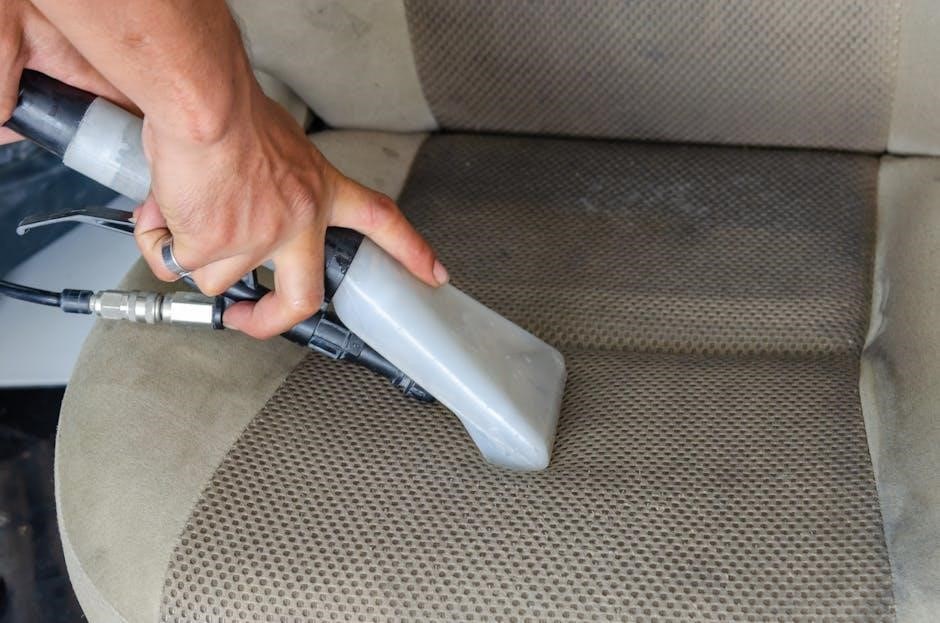
Pay particular attention to areas where dirt and debris may accumulate‚ such as around the LATCH connectors and belt paths. Ensure these areas are free of obstructions for proper functionality.
Never submerge the base in water or use a pressure washer‚ as this can compromise its structural integrity and safety features.
After cleaning‚ thoroughly dry the base with a clean cloth before reinstalling the car seat. Inspect the LATCH connectors and belt system to confirm they are in good working order.
Regularly cleaning the base helps maintain its hygiene and ensures optimal performance‚ contributing to a safe and comfortable ride for your child.
Inspecting for Damage
Regularly inspect your Chicco KeyFit 30 car seat and base for any signs of damage‚ as even seemingly minor issues can compromise its protective capabilities.
Carefully examine the shell‚ harness straps‚ buckles‚ LATCH connectors‚ and base for cracks‚ fraying‚ or loose components. Pay close attention to areas that experience stress during use.
Check for any deformation or weakening of the plastic parts‚ and ensure the harness straps adjust smoothly and securely lock into the buckle.
If you detect any damage‚ discontinue use immediately and contact Chicco customer support for guidance on repair or replacement. Do not attempt to repair the car seat yourself.
A damaged car seat may not provide adequate protection in a crash‚ so prioritizing regular inspection is crucial for your child’s safety.
Storage Guidelines
When not in use‚ store your Chicco KeyFit 30 car seat in a clean‚ dry location‚ away from direct sunlight and extreme temperatures to prevent degradation of the materials.
Avoid storing the car seat in areas where it could be exposed to chemicals‚ solvents‚ or other potentially harmful substances‚ as these could damage the plastic components or fabric covers.
Keep the car seat away from heavy objects that could cause impact damage‚ and ensure it is stored in a secure location where it won’t be accidentally knocked over or moved.
If storing for an extended period‚ loosely cover the car seat to protect it from dust and debris‚ but avoid airtight coverings that could trap moisture.
Proper storage helps maintain the integrity of the car seat‚ ensuring it remains safe and functional when you need it again.
Troubleshooting & FAQs
This section addresses common issues like installation difficulties‚ harness problems‚ and base locking concerns‚ offering solutions and support resources for users.
Common Installation Issues
Difficulty achieving a tight installation is a frequent concern. Ensure the vehicle seatbelt is locked‚ or the LATCH connectors are securely fastened‚ and the base doesn’t move more than one inch side-to-side or front-to-back.
Incorrect recline angle can also hinder proper installation. Always check the recline indicator to confirm the base is at the correct angle for your vehicle and your child’s age and weight.
Some vehicles may have incompatible seating positions. Refer to both the car seat manual and your vehicle owner’s manual to verify compatible locations.
If the base won’t lock into position‚ double-check the LATCH connectors or seatbelt path for obstructions. Ensure the base is fully engaged before attempting to secure it.
Remember to consult the manual for specific vehicle compatibility information and detailed installation instructions.
Harness Problems & Solutions
Difficulty tightening the harness is a common issue. Ensure the harness straps are threaded correctly through the buckle and that there are no twists or obstructions. Pull the shoulder strap adjustment strap to tighten.
If the chest clip slides up too high‚ readjust the harness straps to lower the clip to the armpit level. This ensures proper positioning during a crash.
A buckle that won’t release can be frustrating. Check for debris inside the buckle mechanism and try gently wiggling the release button. Avoid using excessive force.
If the harness straps are too long or too short‚ adjust the headrest to the appropriate position. The harness height should be at or slightly below your child’s shoulders.

Always refer to the manual for detailed illustrations and troubleshooting steps related to the harness system.
Base Won’t Lock into Position
If the Chicco KeyFit 30 base isn’t securely locking into position‚ first verify the vehicle’s seat is not reclined excessively. A level base is crucial for proper installation.
Ensure the LATCH connectors are fully engaged and that the tether straps are tightened appropriately. Double-check that the connectors click audibly into the vehicle’s anchor points.
When using the belt installation method‚ confirm the belt is routed correctly through the base and is locked by the vehicle’s locking latchplate. Attempt re-threading the belt if necessary.
A common issue is insufficient force applied during installation. Apply firm‚ downward pressure on the base while simultaneously tightening the LATCH straps or seatbelt.
Consult the manual’s illustrations for visual guidance and consider seeking assistance from a certified Child Passenger Safety Technician (CPST) if problems persist.
Customer Support Contact Information
For immediate assistance with your Chicco KeyFit 30 car seat‚ or if you require clarification regarding the manual’s instructions‚ Chicco offers multiple support channels.
You can reach Chicco’s dedicated customer service team by phone at 1-800-848-2229. Representatives are available Monday through Friday‚ 9 AM to 5 PM EST.
Alternatively‚ visit the official Chicco website at chiccousa.com and navigate to the ‘Support’ or ‘Contact Us’ section. Here‚ you’ll find a comprehensive FAQ section‚ troubleshooting guides‚ and a contact form.
For detailed installation support and safety checks‚ locate a certified Child Passenger Safety Technician (CPST) near you through the National Child Passenger Safety Certification program website: cert.safekids.org.
Keep your purchase information readily available when contacting customer support to expedite the assistance process. Chicco prioritizes your child’s safety and is committed to providing excellent support.